
From March 20 to June 28, 2026, the exhibition What We Talk About When We Talk About Crimea took place at the Ujazdowski Castle Centre for Contemporary Art in Warsaw. The project aims to tell the world about Crimea through the work of Ukrainian artists, in particular Crimean Tatar artists. The exhibition has been commissioned by the Ukrainian Institute and produced by the Past / Future / Art memory culture platform with the support of the Partnership Fund for a Resilient Ukraine. Curators: Kateryna Semenyuk, Oksana Dovgopolova, and Alim Aliev.
What do we talk about when we talk about Crimea? Sea or steppe? The 1945 Yalta Conference or the Scythian state of antiquity? The Artek Camp for Young Pioneers or the Soviet genocide of the Crimean Tatars in 1944? Vacations by the sea or lost homes? What we see depends on who is looking. The experiences of encountering Crimea can be so different that it might seem people are remembering different continents. Why is this so?
The Crimean Peninsula, in the Black Sea, has been a meeting point of different civilisations for millennia. It is the homeland of the Crimean Tatars, who once had their own state there; now, they are once again experiencing colonial pressure. It is a peninsula saturated with fighting, tension, love, and hope. The exhibition explores contemporary Ukrainian artists’ reflections on the loss of Crimea after the Russian occupation of the peninsula in 2014.
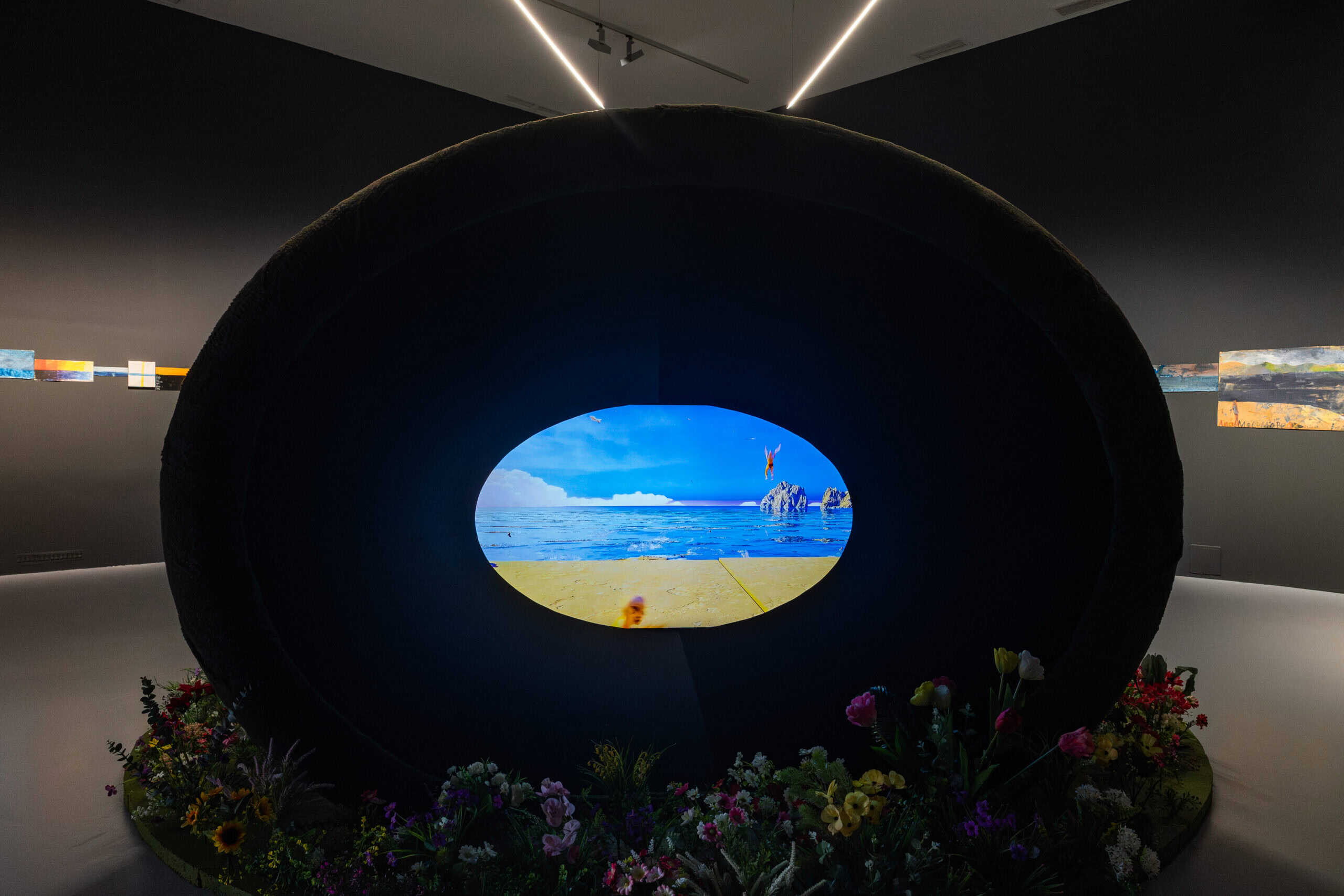
The project brings together artists of different generations; some of them were born in Crimea, others came to know Crimea through their travels. Sevilâ Nariman-qizi and Emine Ziyatdin contemplate different dimensions of Crimean Tatar identity amidst the loss of home, and Rustem Skybin adds the theme of resistance and protection of one’s native land. Yuri Yefanov transforms the memory of his hometown, Hurzuf, which is now beyond reach, into a digital simulation of public space, not so much documenting the past as creating possible scenarios of the future. With gratitude and sadness, Anton Shebetko speaks about the LGBT+ community in the rural settlement of Simeiz that used to gather on the local “wild beaches” and in Yezhy café; this world of freedom no longer exists as it did before 2014. The paintings and graphic works of Roman Mykhailov, Elmira Shemsedinova, and Oleksii Borysov each draw the viewer’s attention to the Crimean horizon, inviting closer examination. Vitaliy Kokhan’s kinetic sculpture captures the oscillation between one symbol of the peninsula’s significance as a tourist destination and another for the sorrow, resilience, and courage of the Crimean Tatar culture. Oleg Tistol’s ironic reflections on the stereotypical symbols of seaside holidays are embodied in a work from his series Southern Coast of Crimea. Meanwhile, a somewhat phantasmagoric landscape by Pavlo Makov is among the artist’s earliest works to engage with the recurring theme of place in his practice, interpreted through cartographic, topographical, and metaphorical perspectives. Vlodko Kaufman and Khalil Khalilov’s meditative video attests to the Crimean Tatars’ desire to return home despite the imperial efforts to erase the very memory of their existence.
Ukrainian artists reflect on what Crimea is for Ukraine. In the Ujazdowski Castle, we ask: what is Crimea for Europe? Adam Mickiewicz once sorrowfully looked at the remains of Crimean Tatar fortresses, feeling their reality turn into the past and remembering his own homeland. Today, what does Europe think about when it thinks about Crimea? And what does Crimea think about?
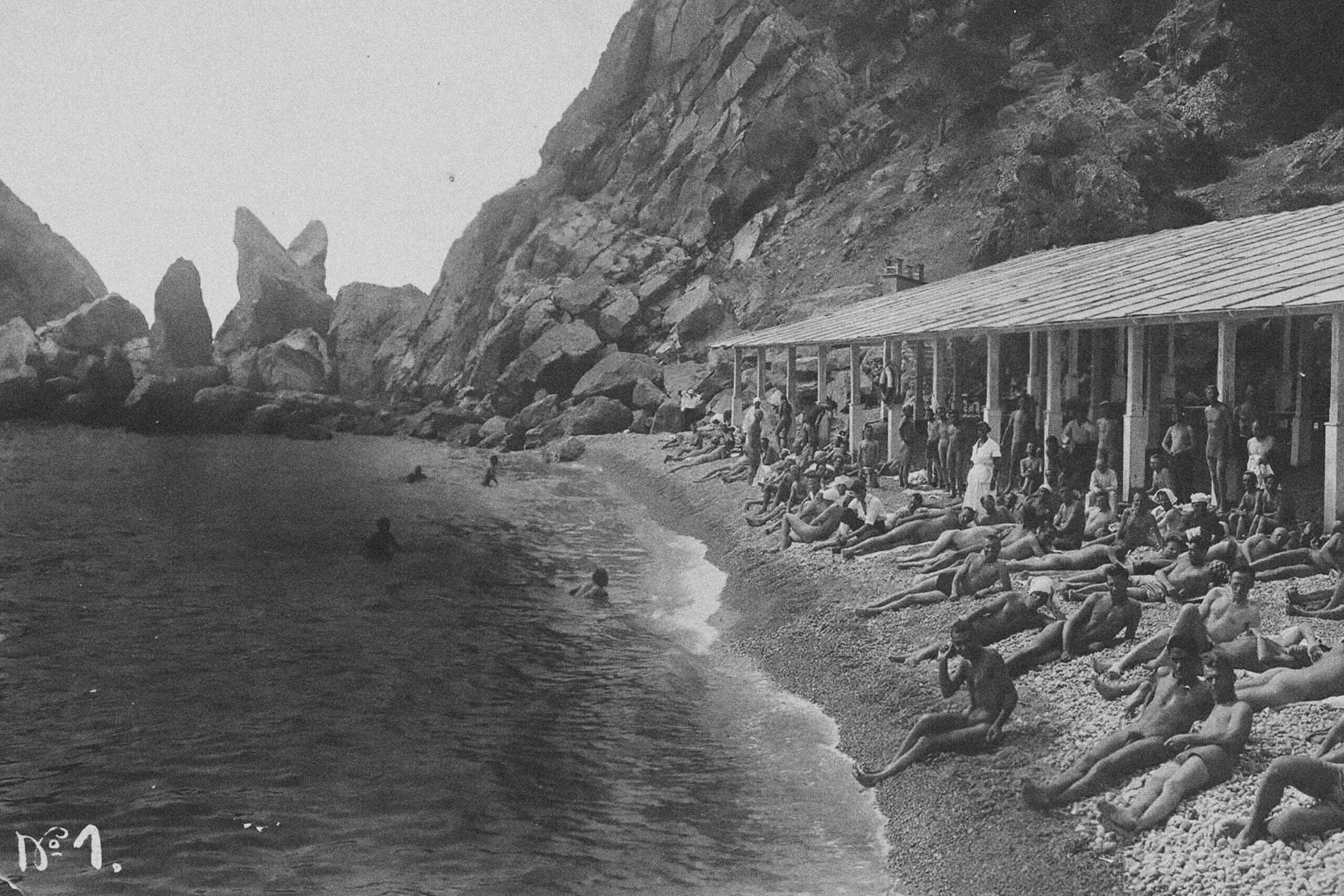
Anton Shebetko, from the Simeiz series, 2022—ongoing, photo
Yuri Yefanov, I Watched the Sinusoidal Motion of Blue Electronic Waves until I Sensed Their Smell, 2025, real-time simulation, synthetic plants, wood, textile. The work was created with the participation of Vitaliy Kokhan
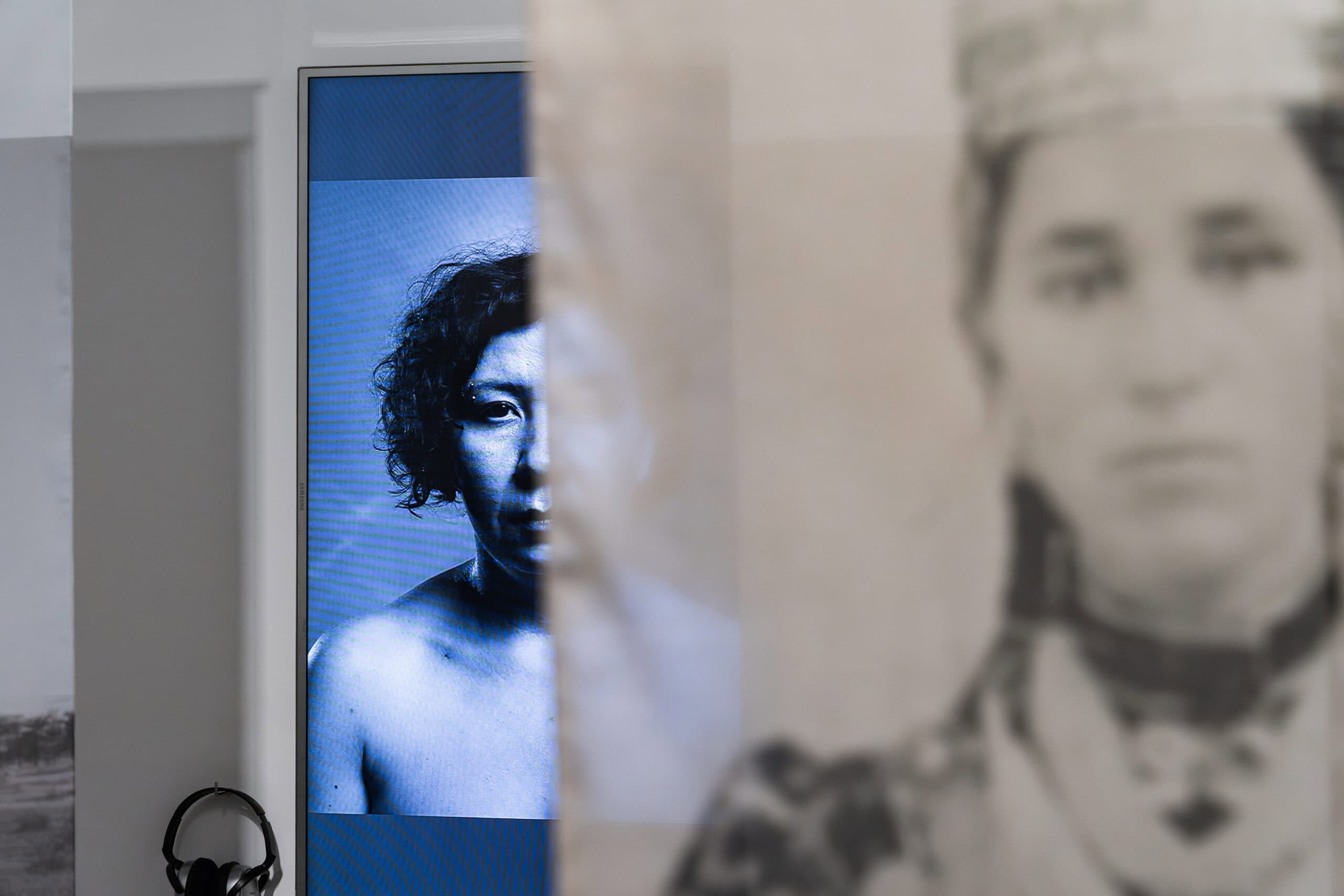
Emine Ziyatdin, I Am a Daughter of My Father, 2025, photographic print on fabric, video, 4’48”
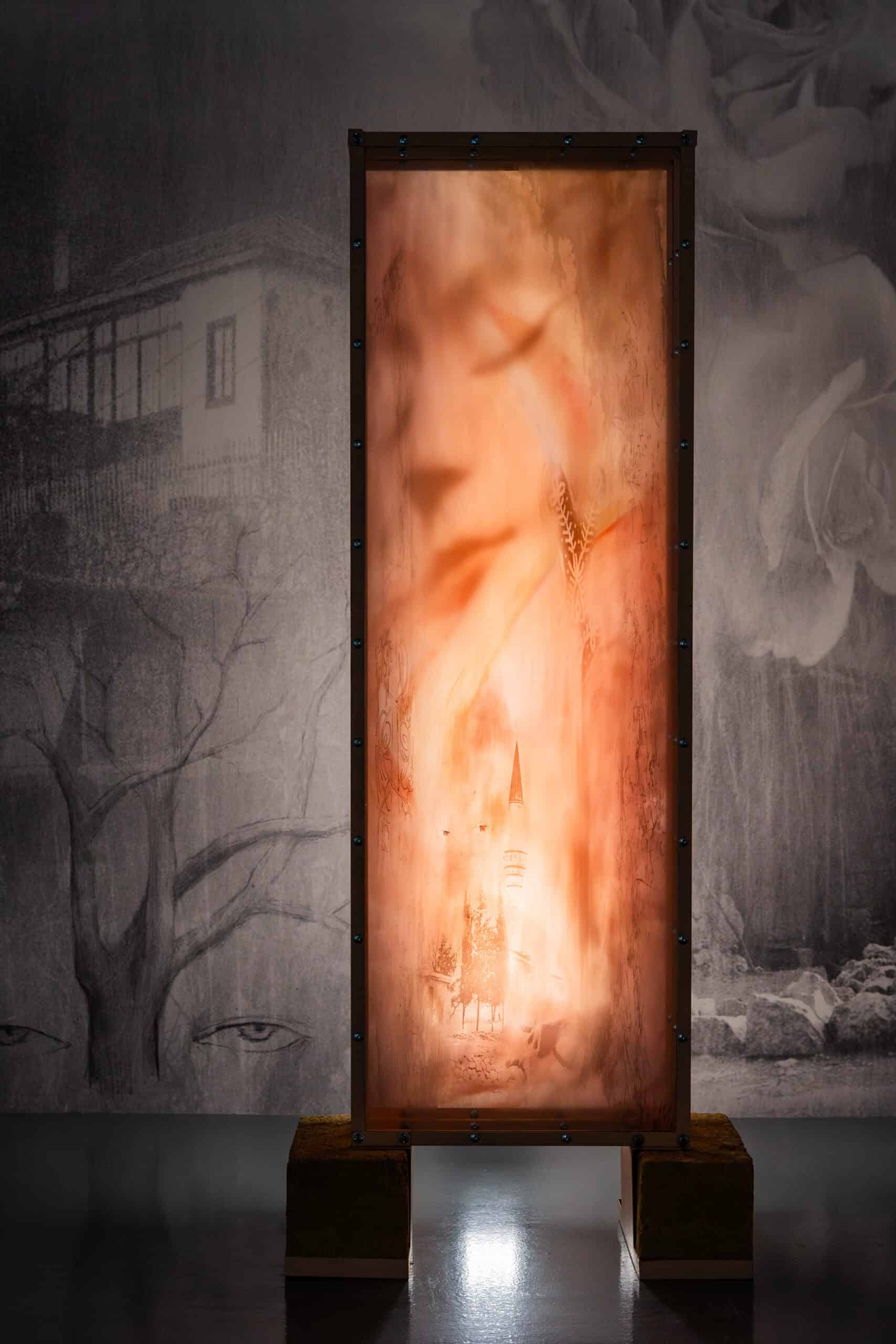
Sevilâ Nariman-qızı, –lar, 2025, coquina, dye sublimation digital print on PVC, metal frame, wallpaper
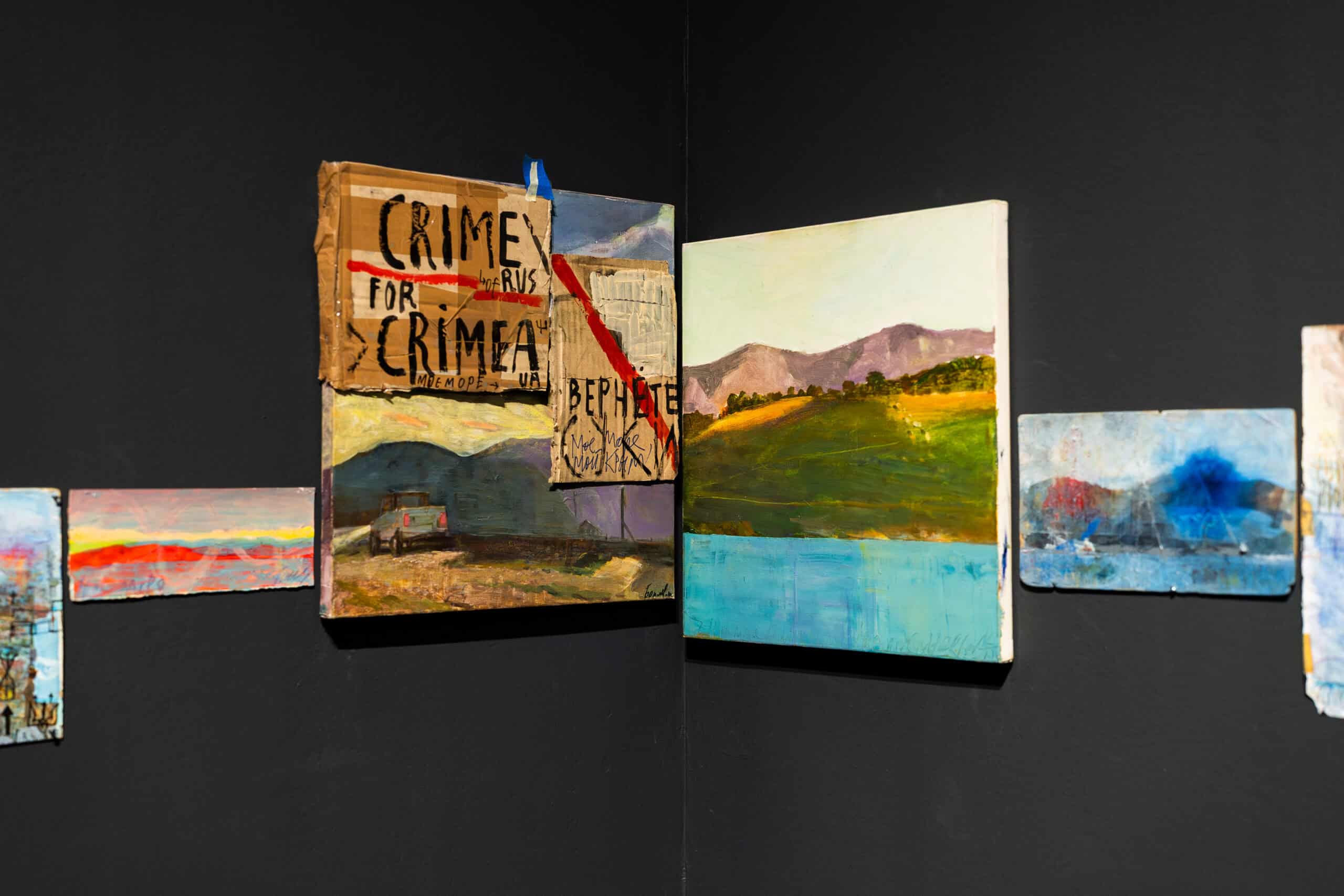
Oleksii Borysov, My Sea, 2014—ongoing, mixed media on canvas and paper
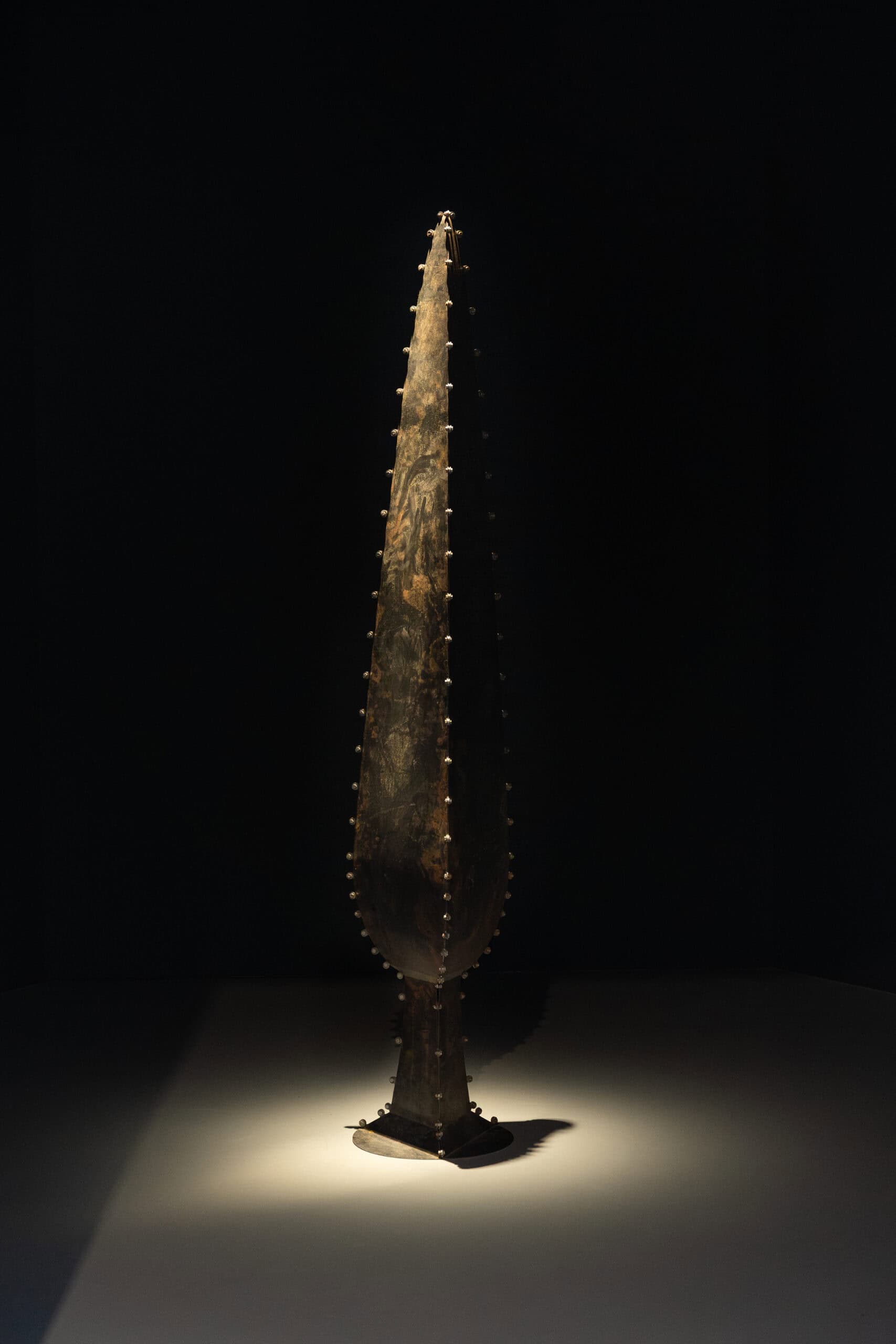
Vitaliy Kokhan, Cypress Tree, 2024, kinetic sculpture, metal
PUBLIC PROGRAMME
CRIMEA AS A SOURCE OF STRENGTH IN THE EUROPEAN POLITICAL IMAGINATION
Panel discussion
17 May, 16:00
Dom Spotkań z Historią, Warsaw
Speakers: Alex Bykov, Oleksandr Galenko, Олександр Галенко, Nedim Useinow
Moderator: Oksana Dovgopolova
European countries have perceived Crimea in very different ways across the centuries. In the 18th century, the German philosopher Johann Gottfried von Herder was convinced that a new European civilisation was emerging precisely in Crimea. In the 19th century, the Polish poet Adam Mickiewicz lamented its “former” glory. Meanwhile, the Soviet Union shaped for the world an image of Crimea as a showcase of a socialist paradise. The discussion participants will explore the centuries-long intertwining of the destinies of the Ukrainian and Crimean Tatar peoples.
Alex Bykov — architect and researcher of 20th century Ukrainian architecture; Oleksandr Galenko — PhD in History, Professor at Kyiv School of Economics; Nedim Useinow — Representative of the Coordinating Council of the World Congress of Crimean Tatars in Poland, Program Manager at The German Marshall Fund of the United States, Visiting Lecturer at University of Warsaw; Oksana Dovgopolova — Co-founder and Curator of the Past / Future / Art memory culture platform, PhD, Professor at Kyiv School of Economics, member of the Memory Studies Association.
CRIMEA IN THE FUTURE OF UKRAINE, EUROPE, AND THE WORLD
Panel discussion
17 May, 18:00
Dom Spotkań z Historią, Warsaw
Speakers: Elmira Muratova, Sevgil Musaieva, Joanna Getka
Moderator: Alim Aliev
When we talk about Crimea, we are not speaking only—or even mainly—about a territory; we are speaking about the people for whom Crimea is home, a place that inspires and gives strength. The Crimean Tatar people were deprived of their homeland for decades due to Soviet repression, and today they remain divided as a result of the temporary occupation. How do those currently in Crimea, and those living outside its borders, envision the future? And does Europe recognise the need for the cognitive de-occupation of Crimea?
Elmira Muratova — PhD in Political Science, researcher of Islam and interethnic relations in Crimea; Sevgil Musaieva — Ukrainian journalist, Editor-in-Chief of Ukrainska Pravda (lit. ‘Ukrainian truth’) socio-political online media outlet; Joanna Getka — Prof., Director of the Institute of Central and Eastern Europe Intercultural Studies, Faculty of Applied Linguistics, University of Warsaw; Alim Aliev — Deputy Director General of the Ukrainian Institute, Founder of the Crimean Fig literary project, human rights defender, curator of educational and cultural projects, researcher, essayist, Member of PEN Ukraine, Co-founder of Crimea SOS NGO.
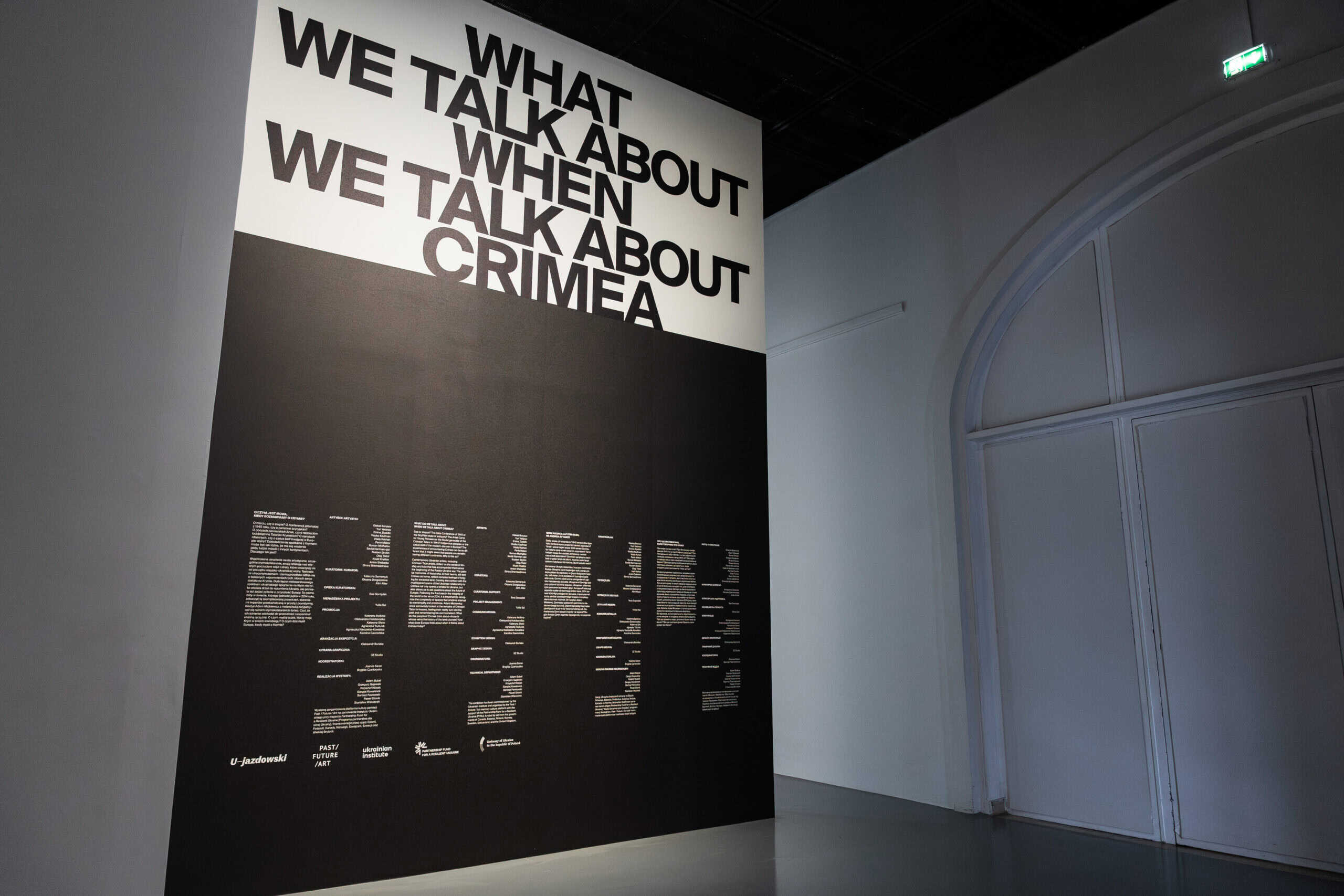
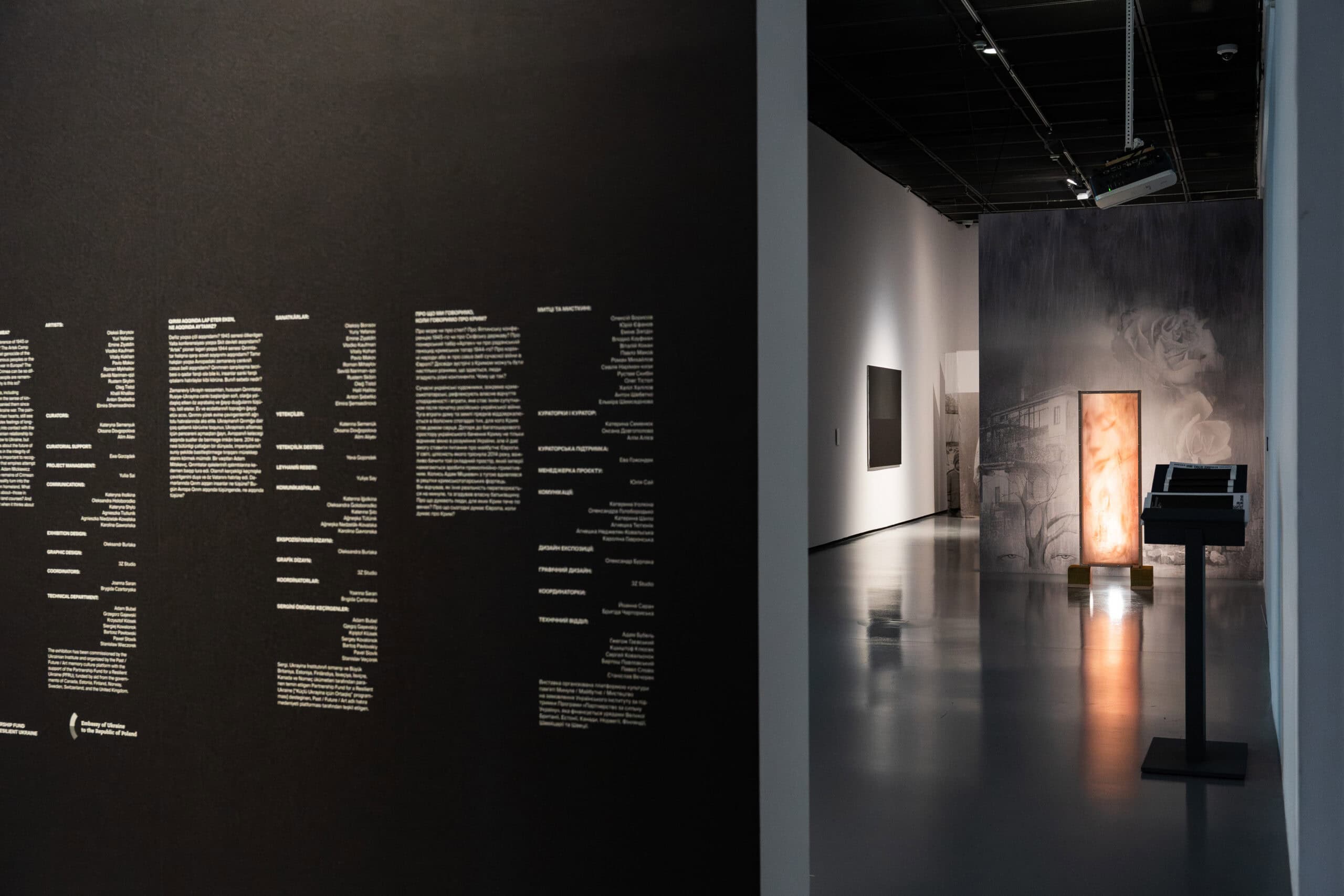
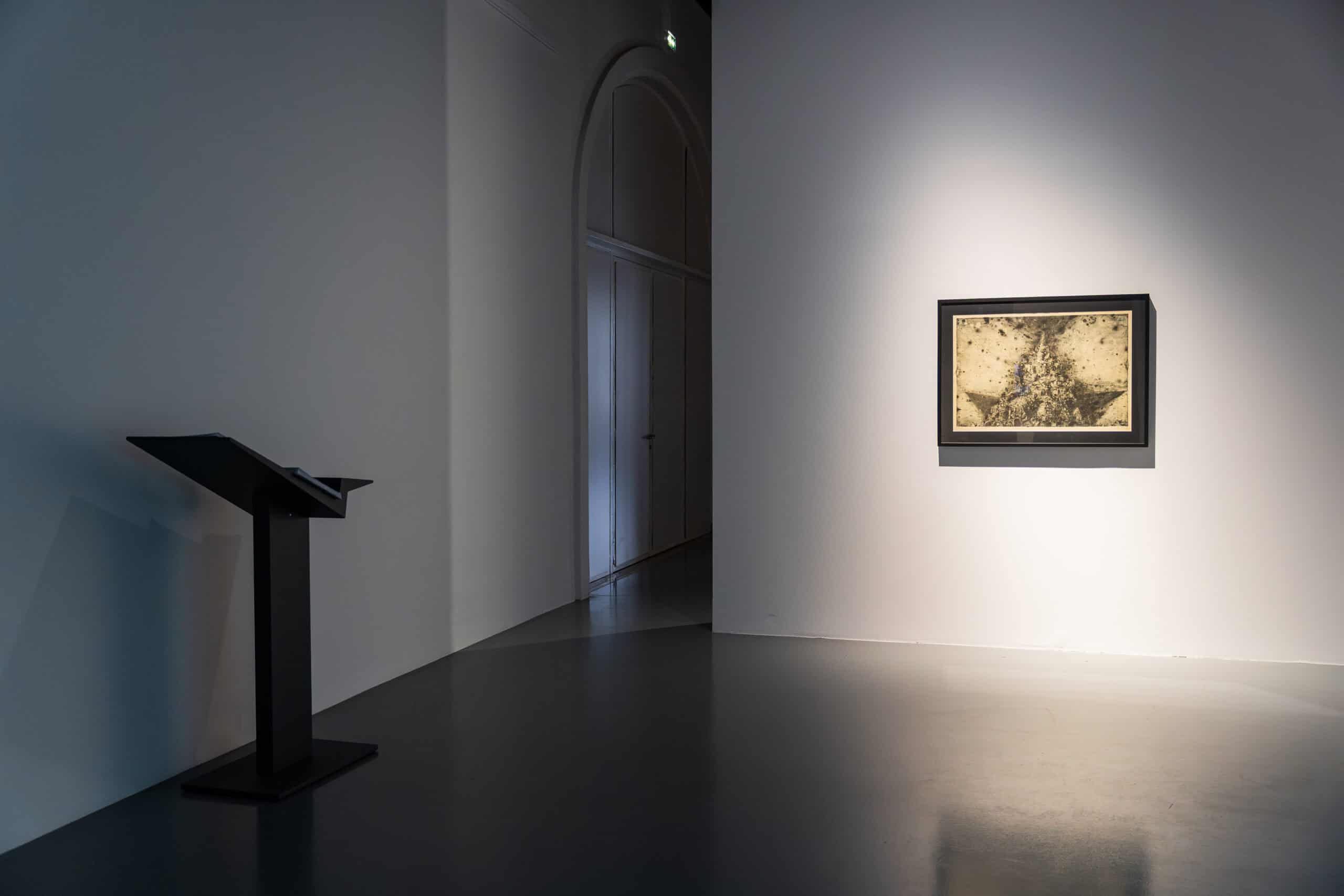
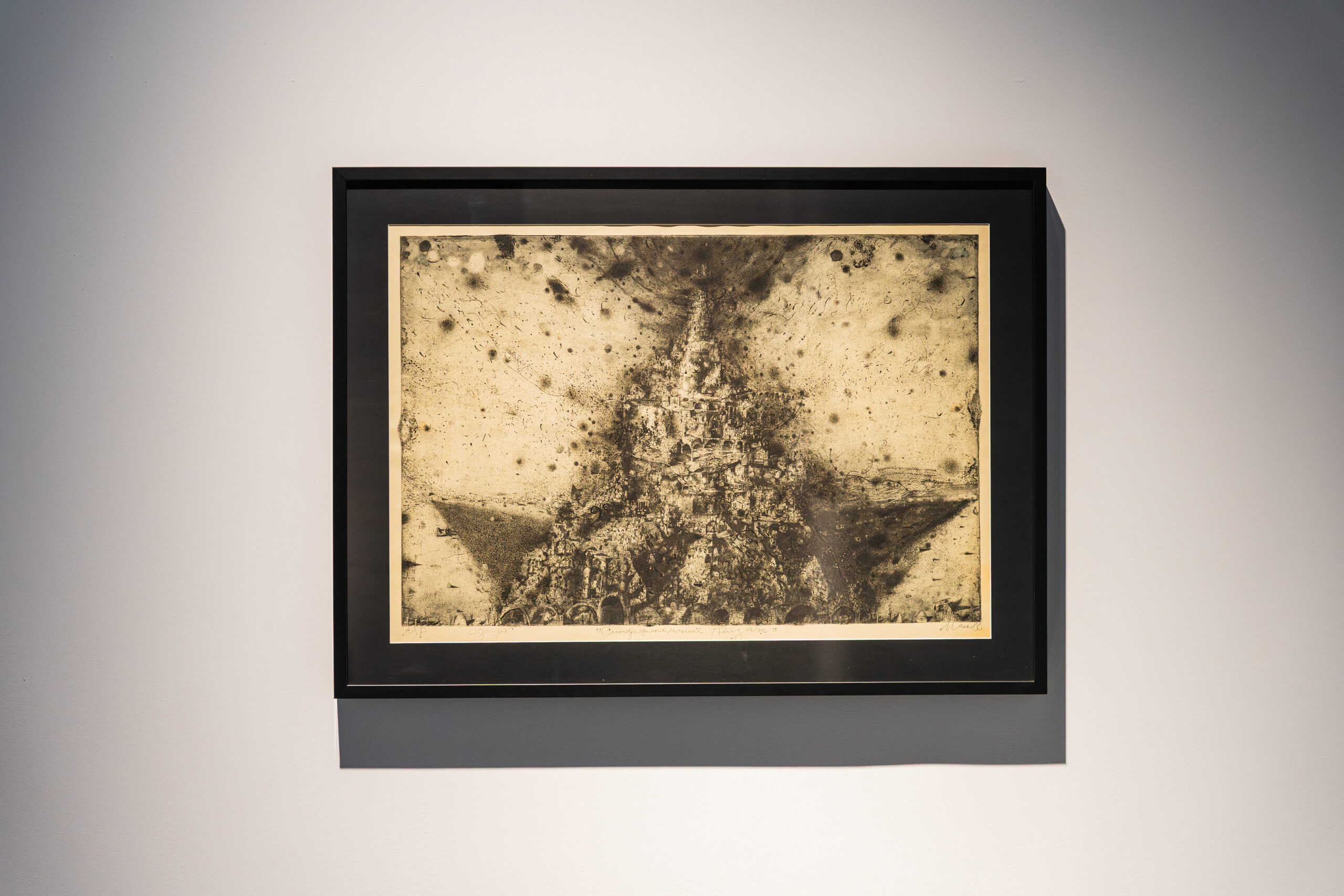
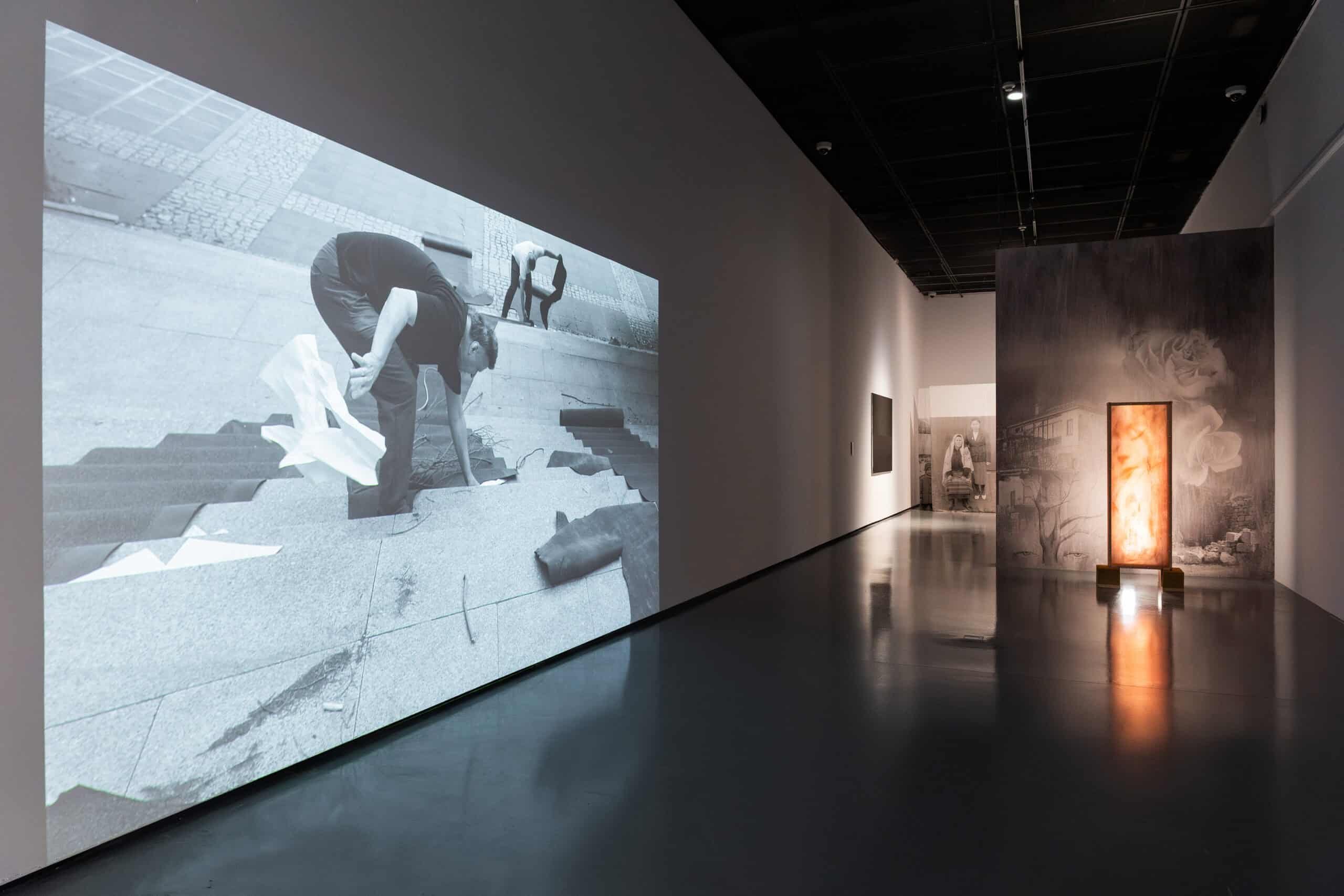
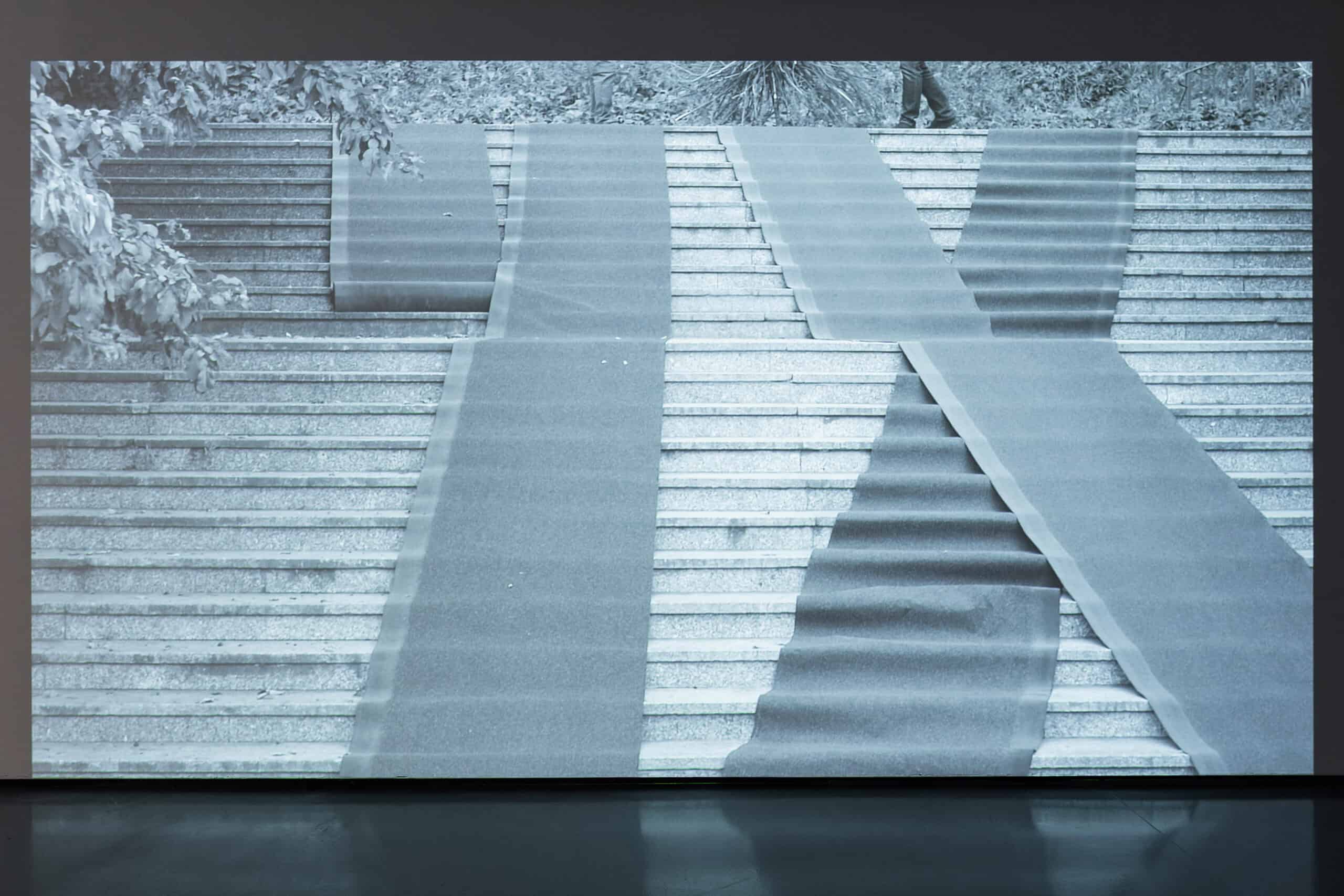
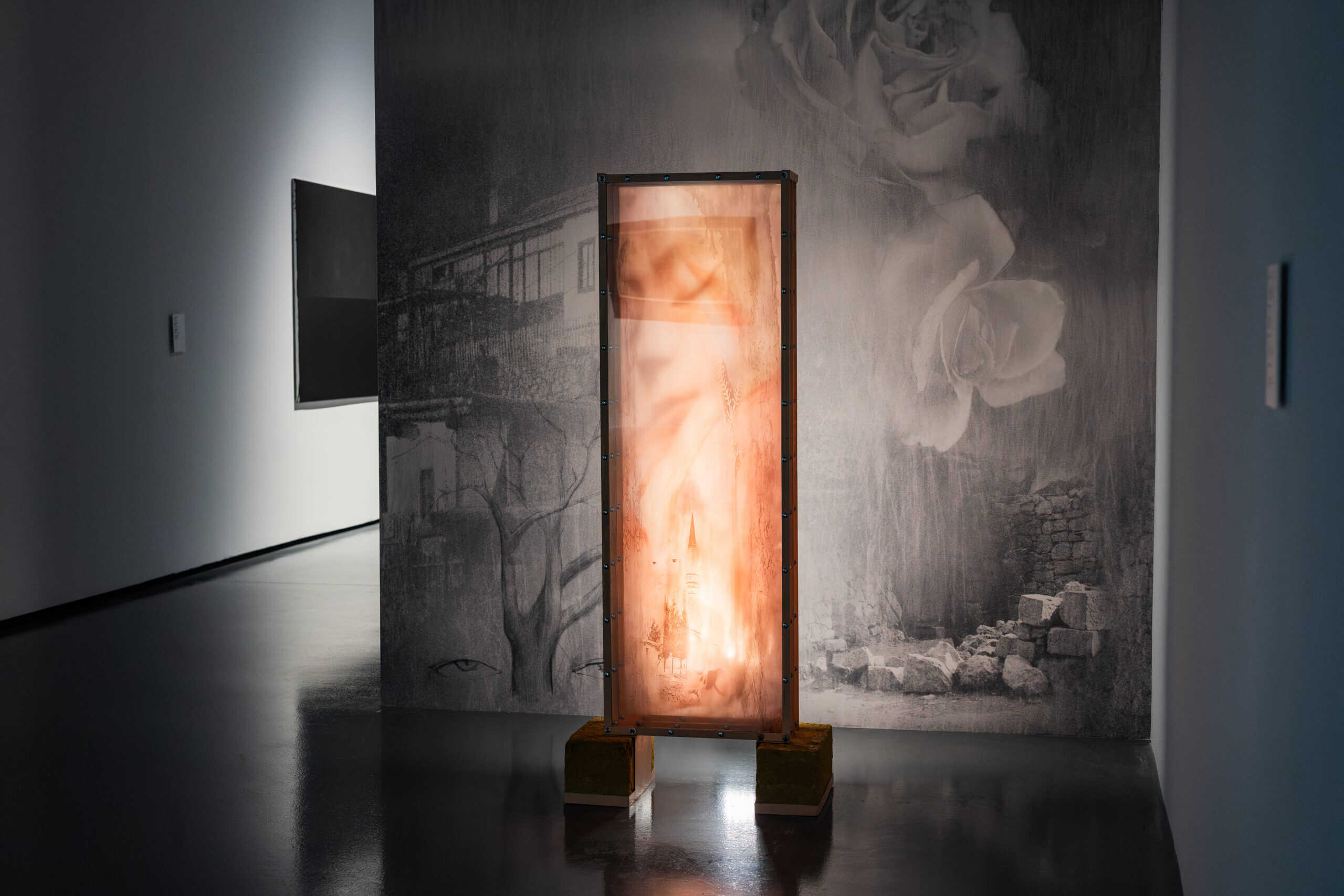
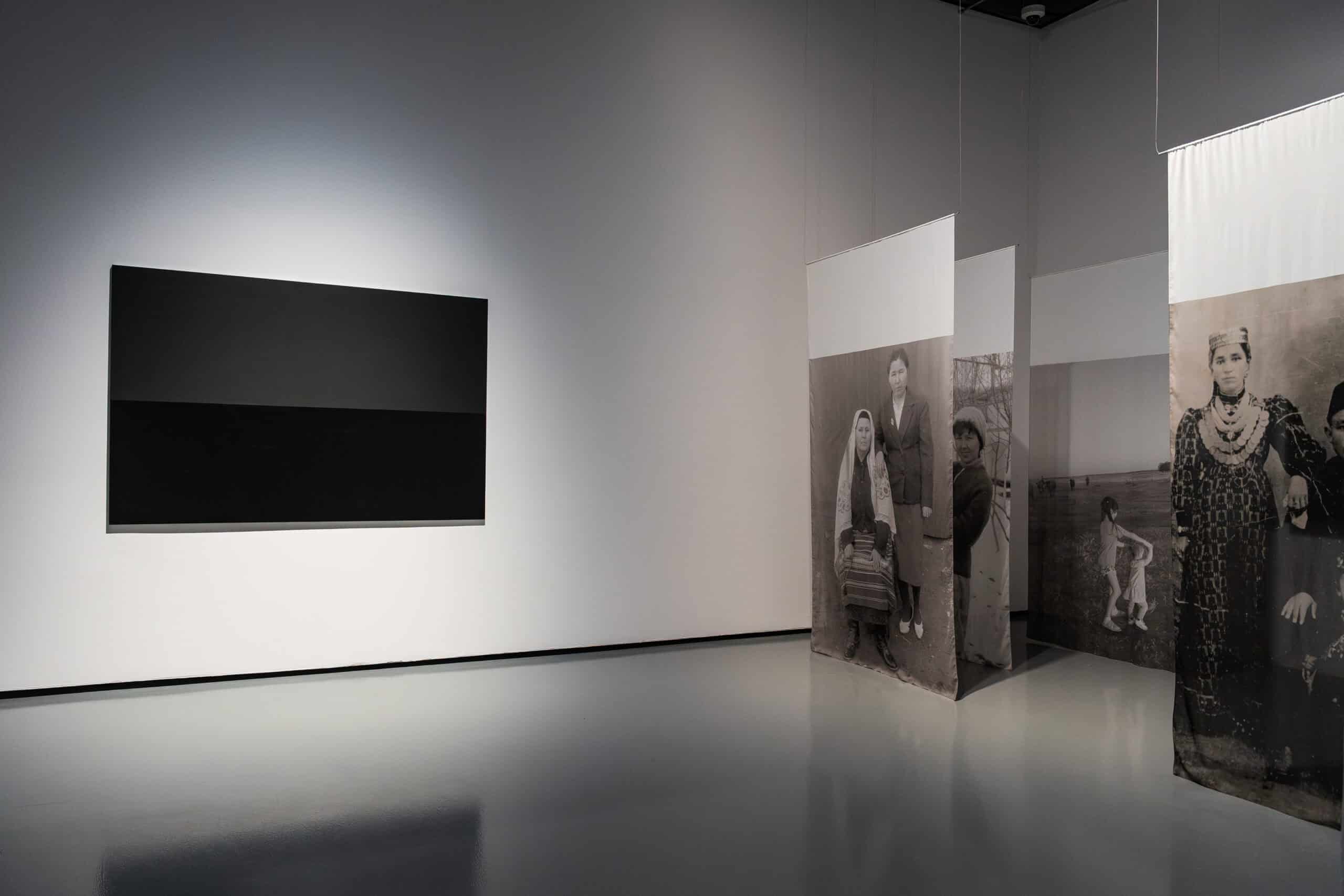
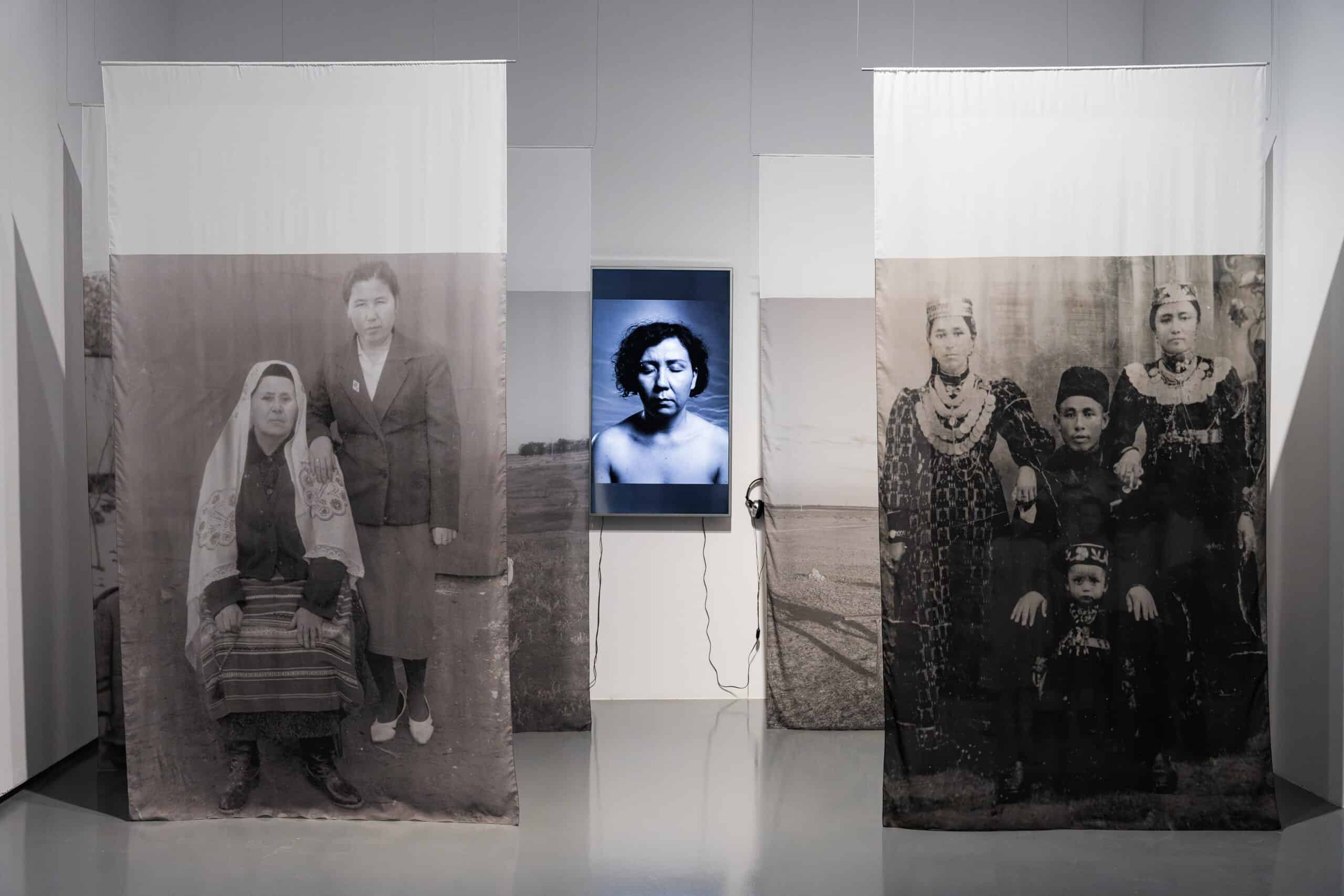
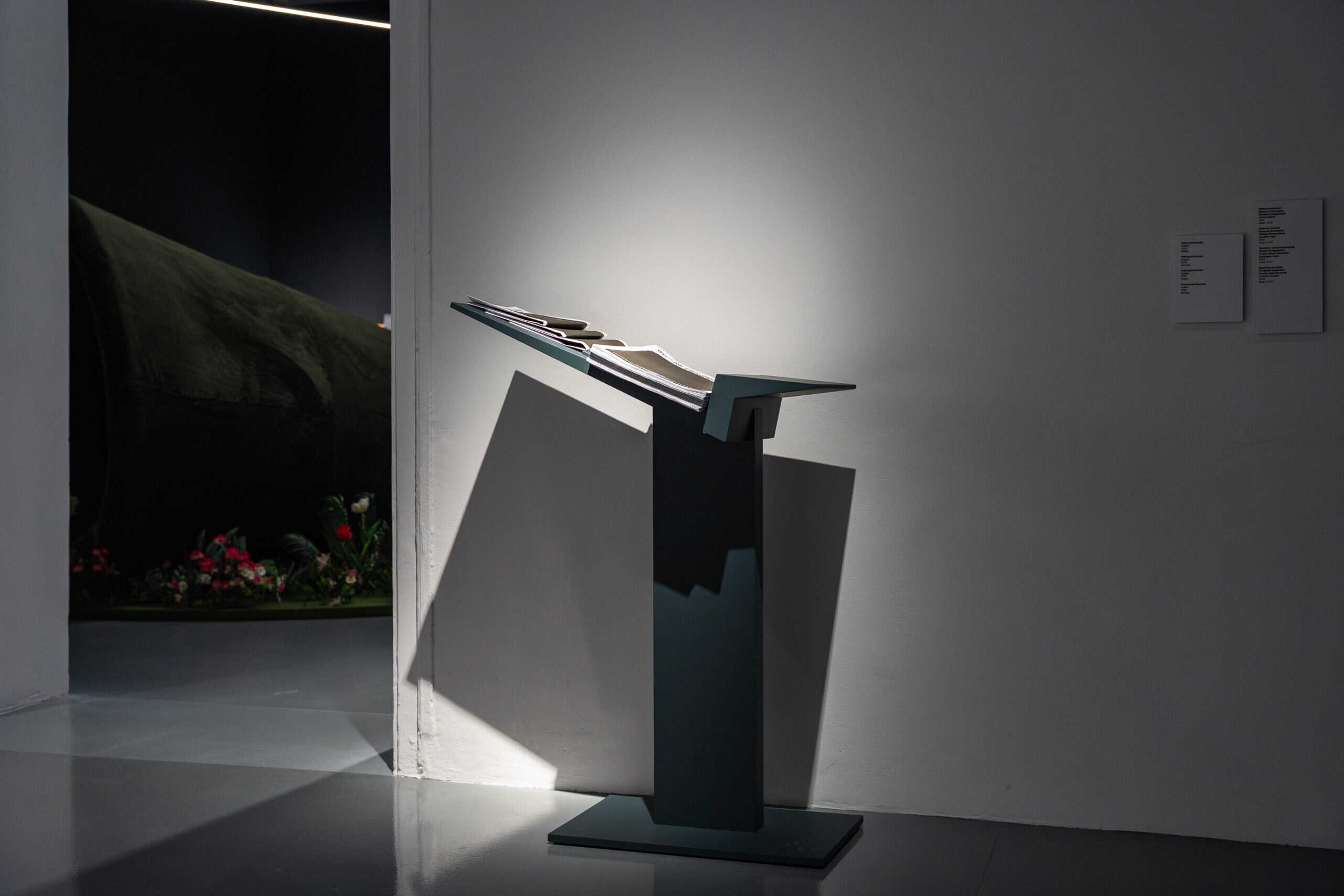
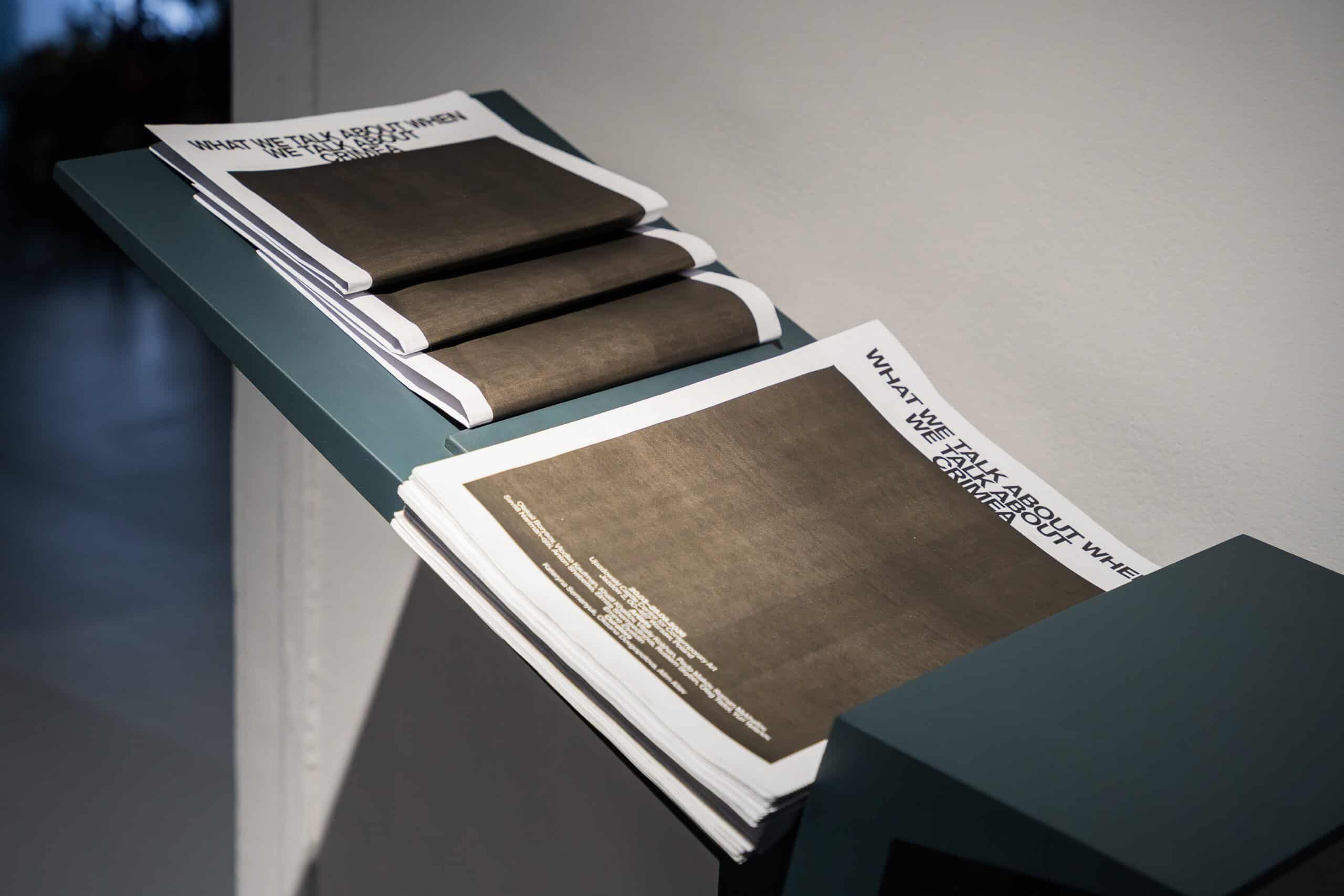
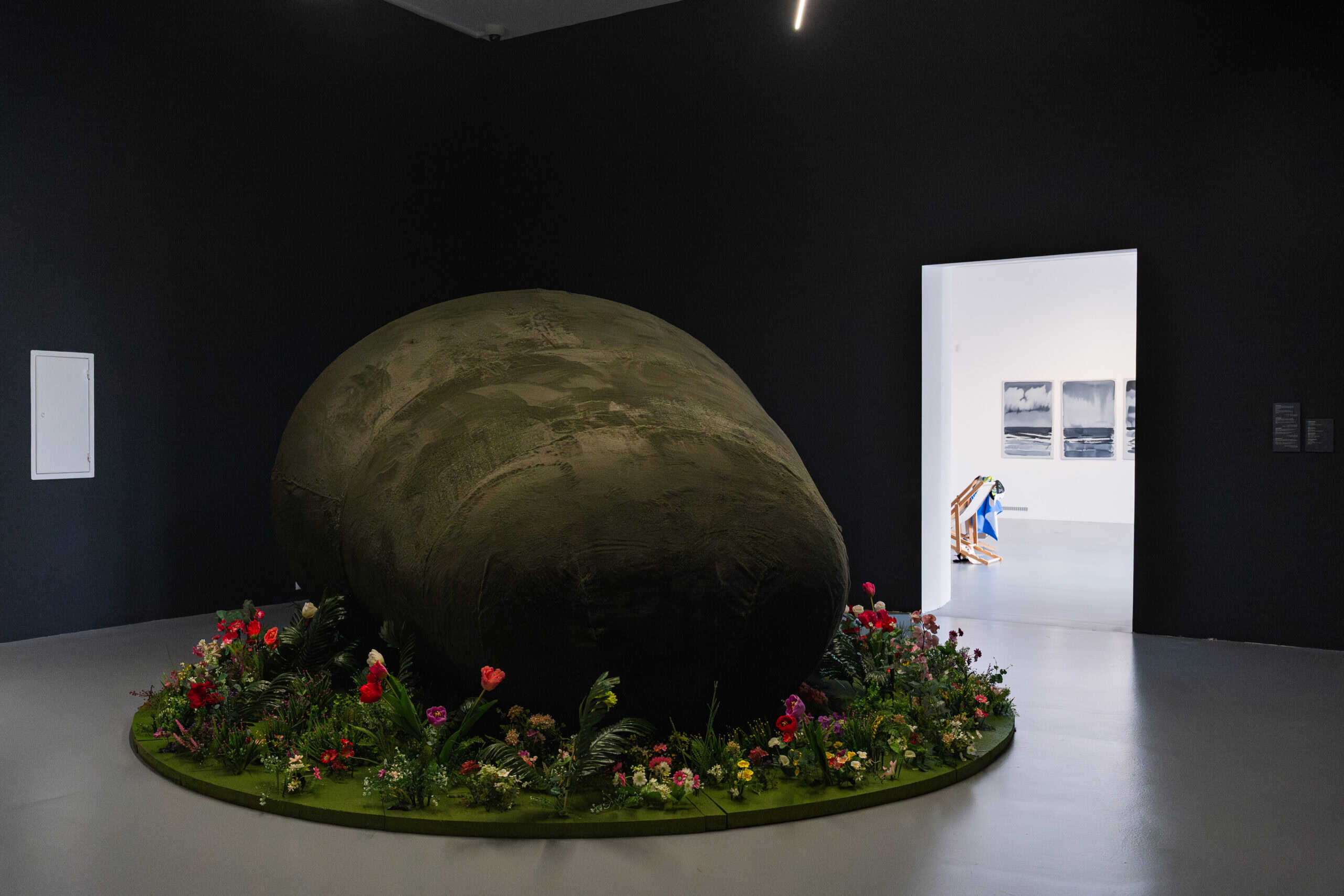
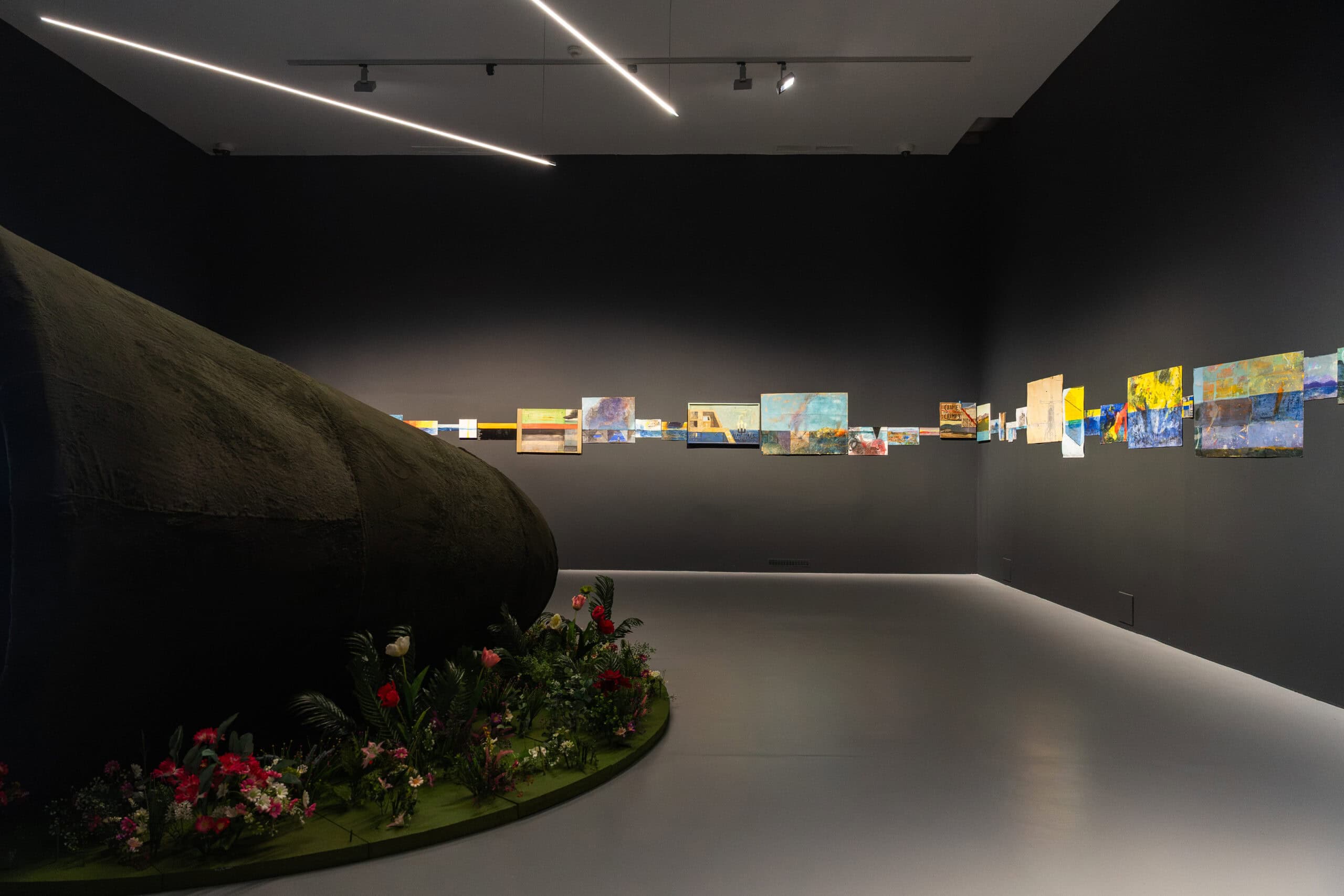
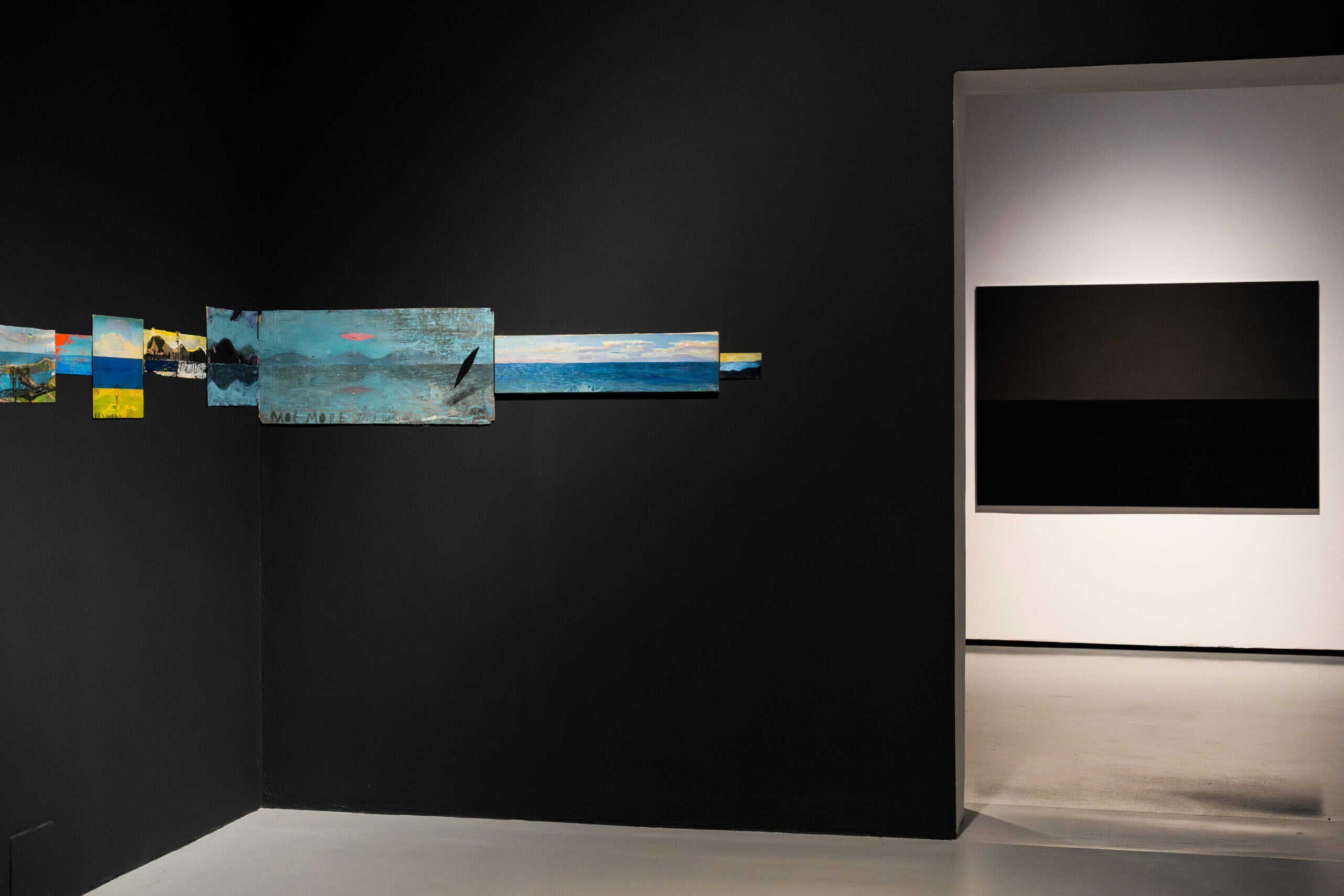
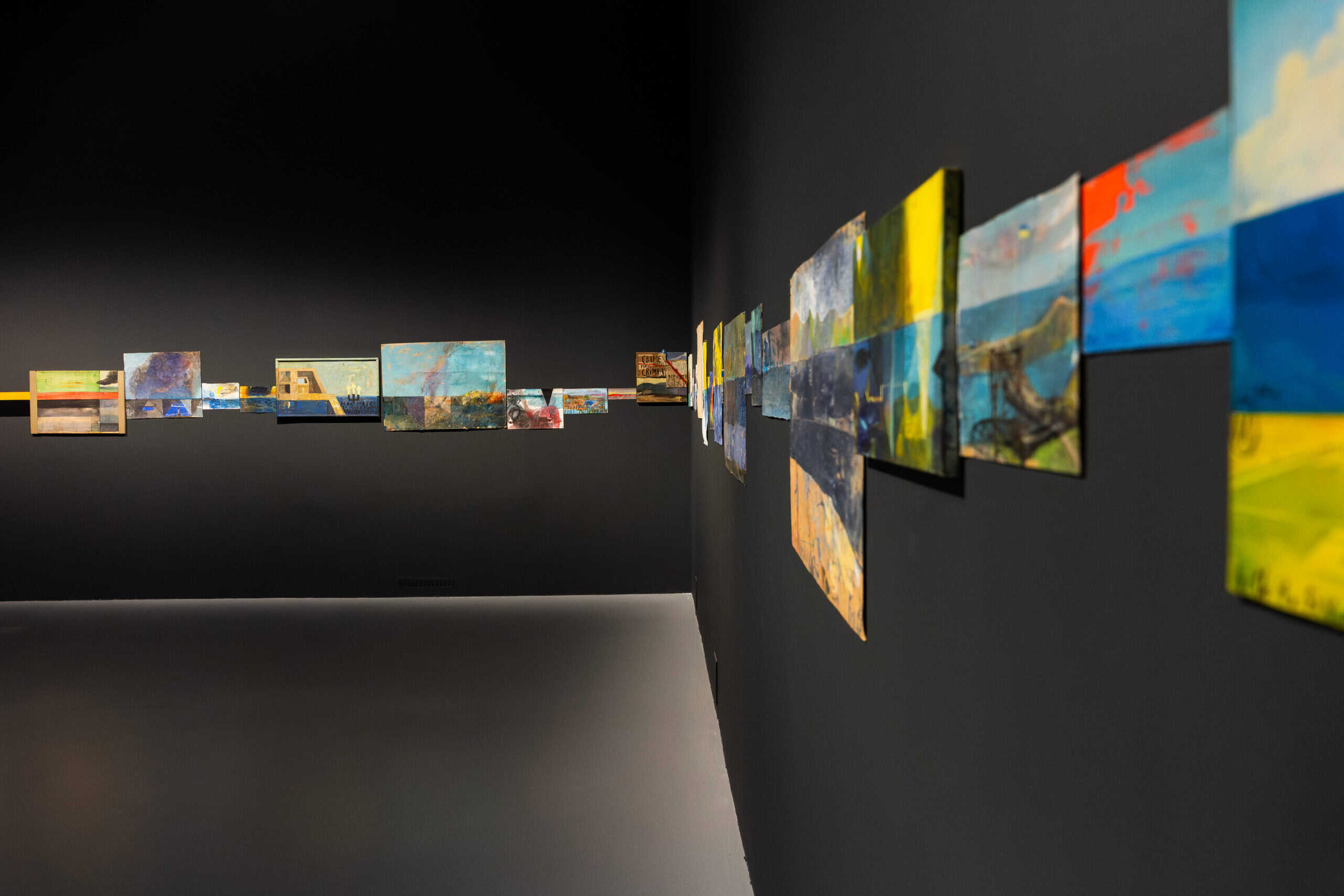
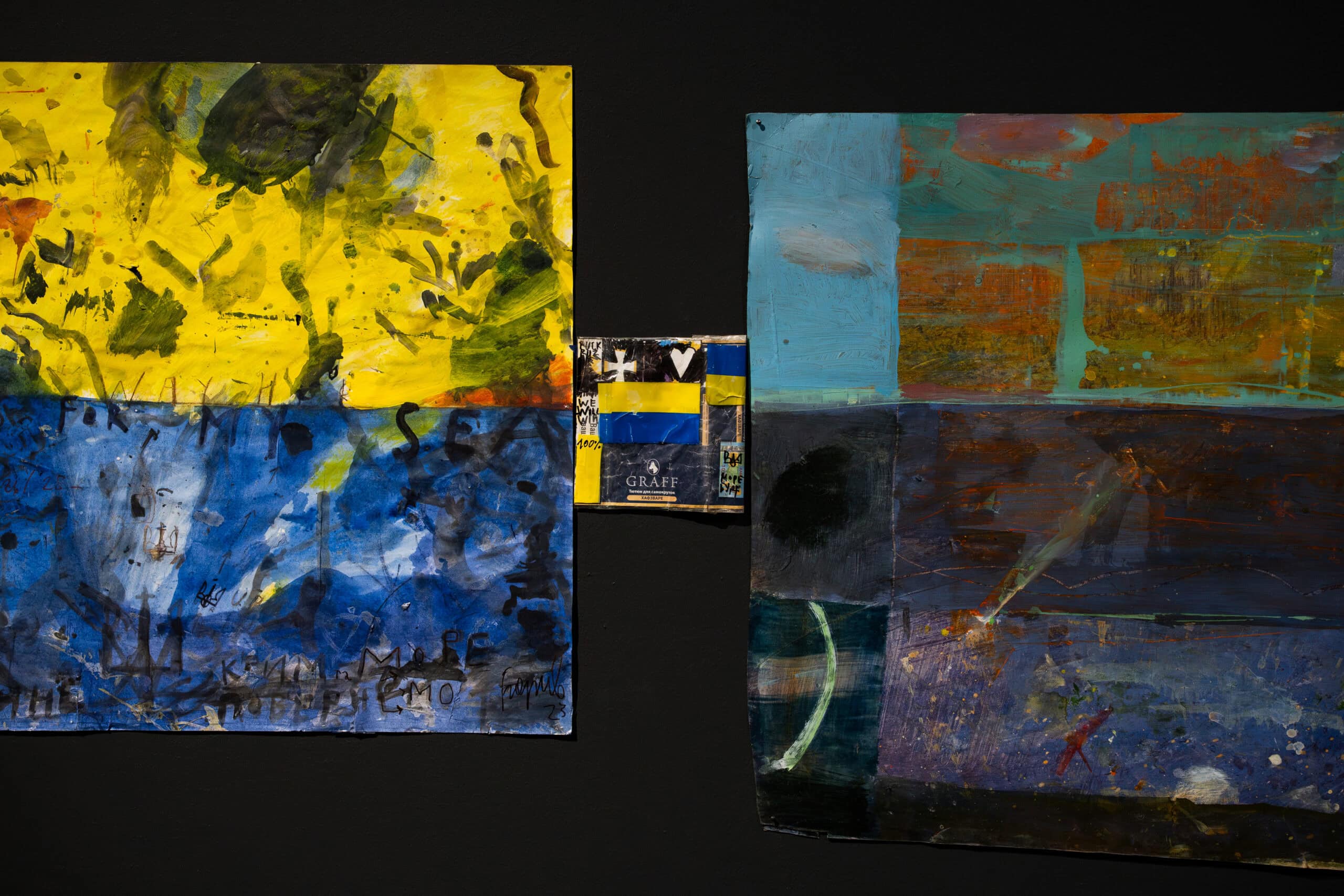
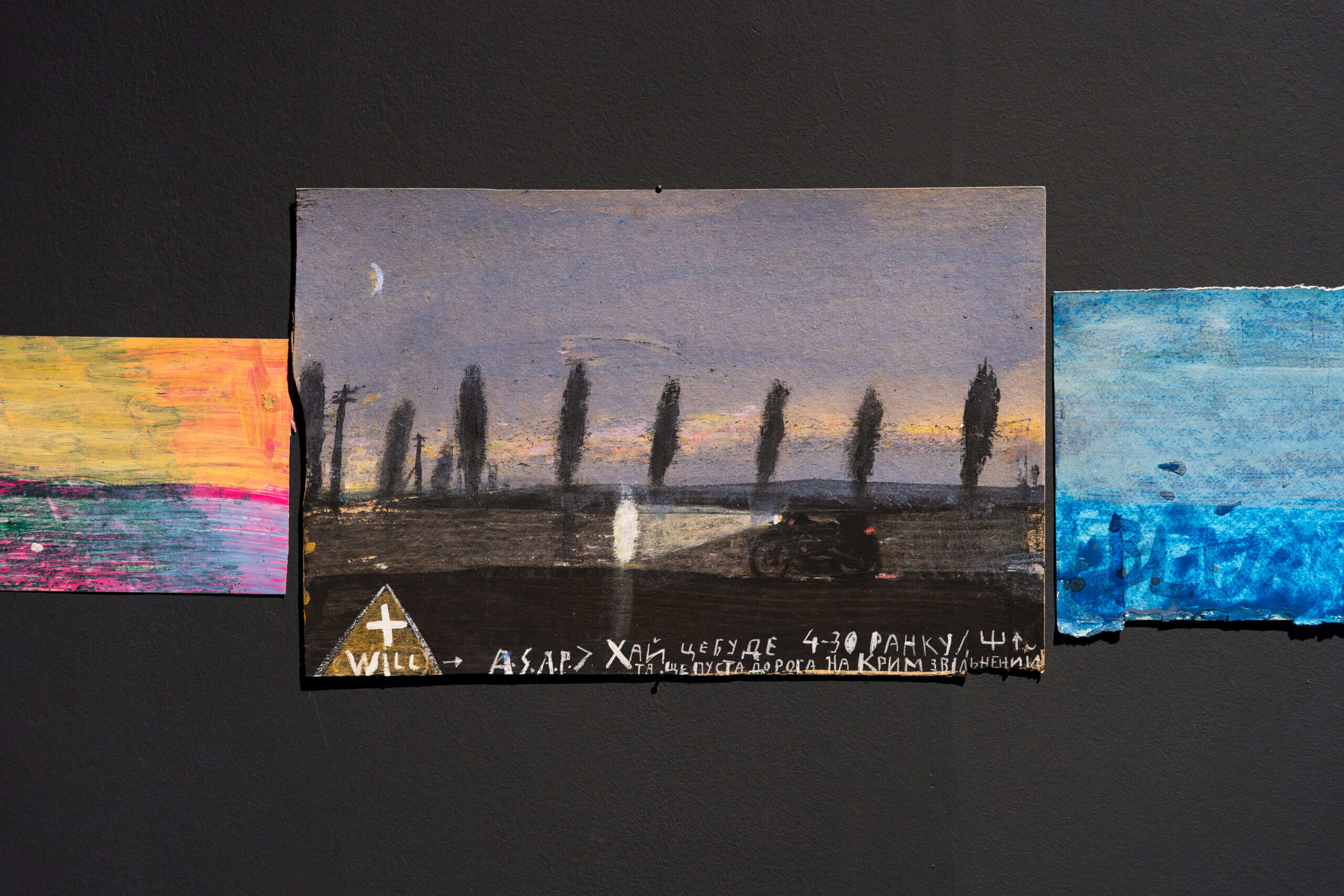
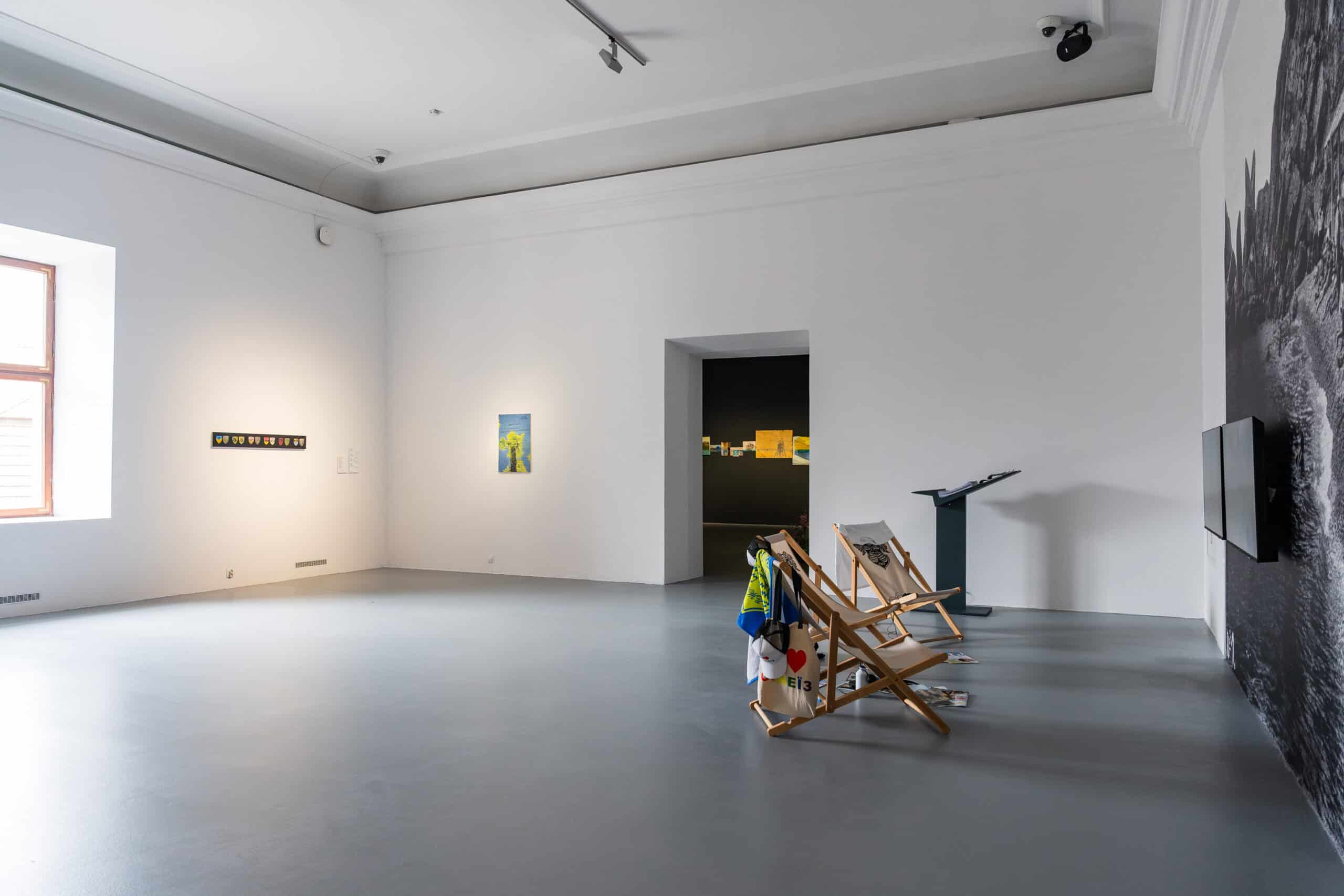

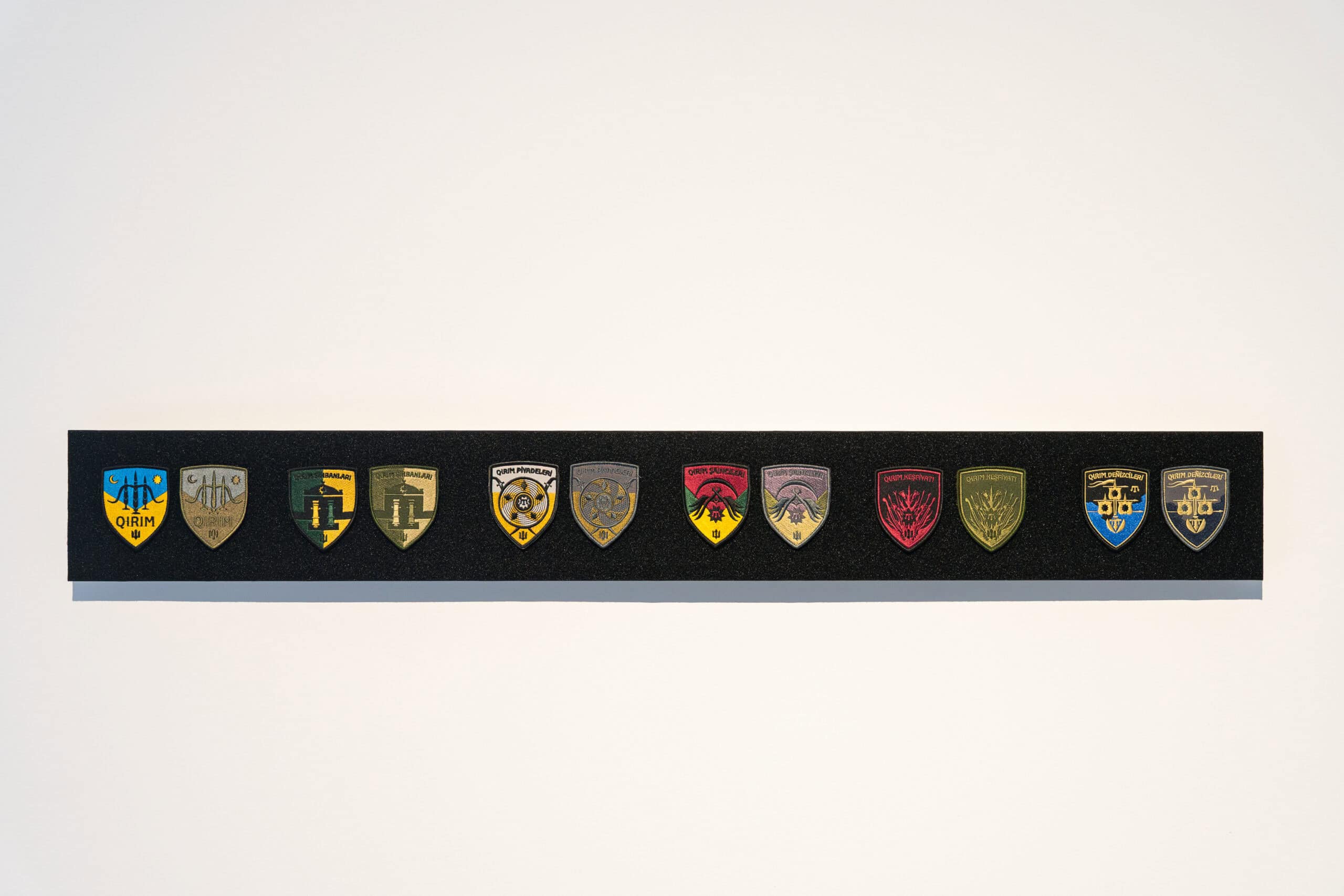
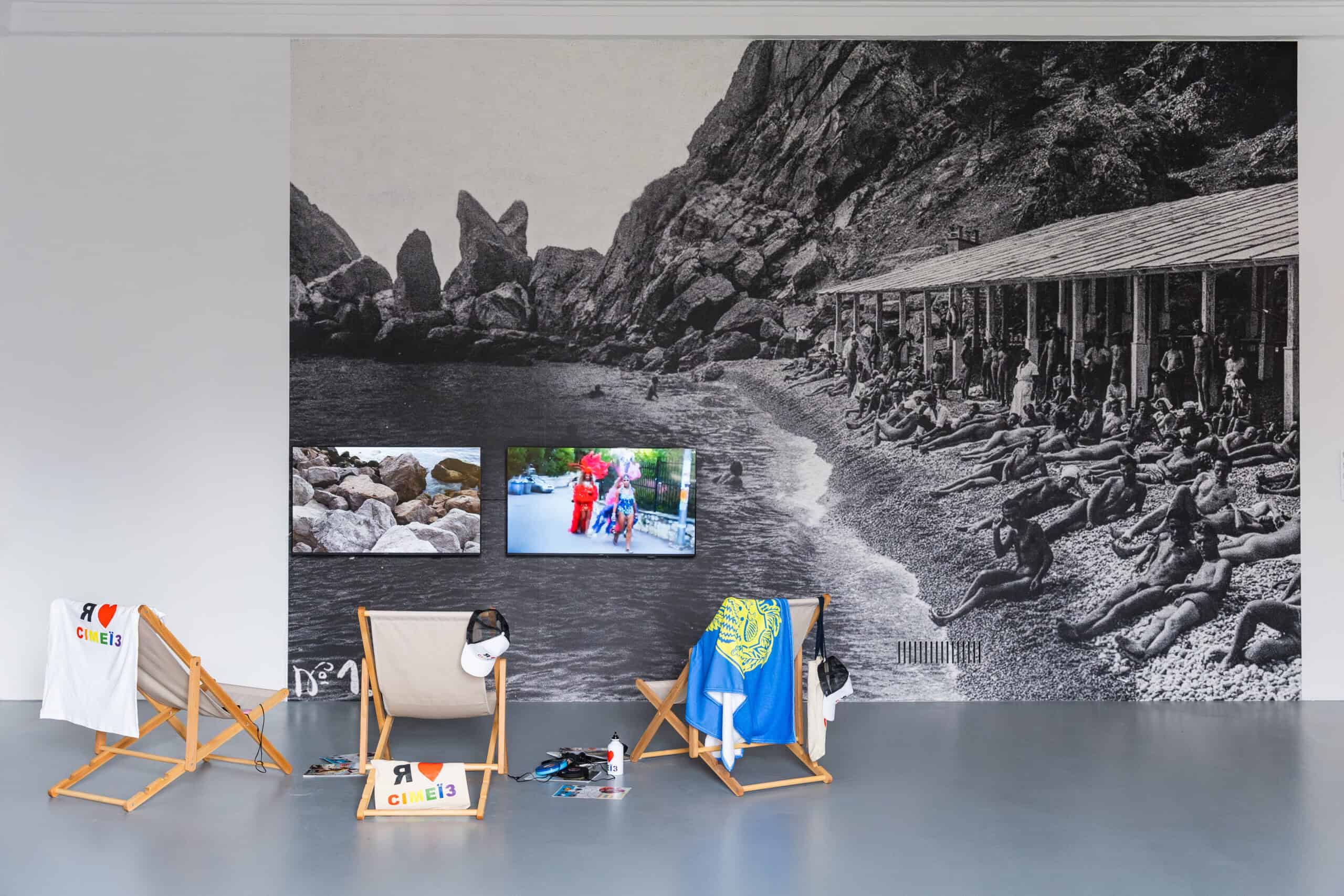
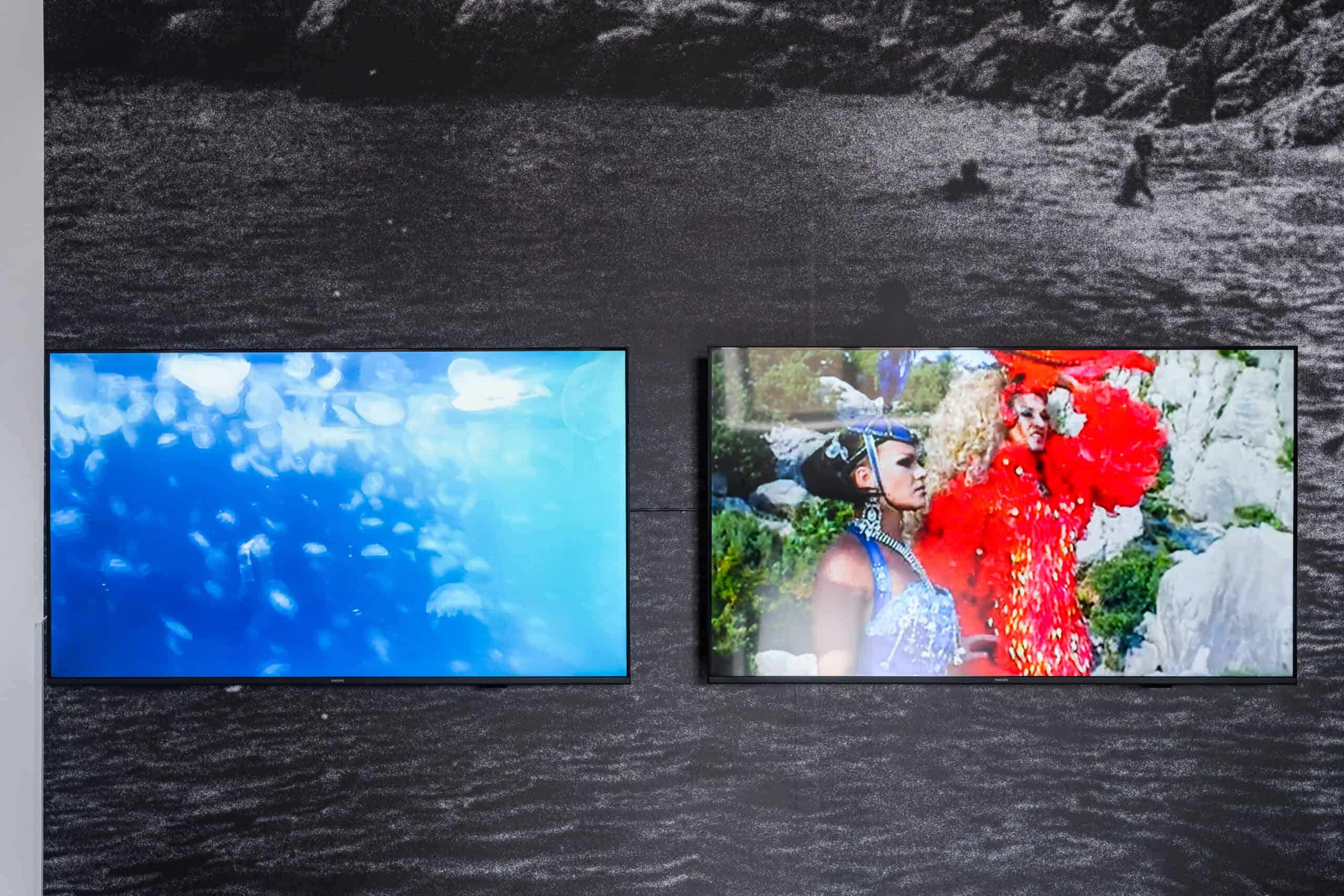
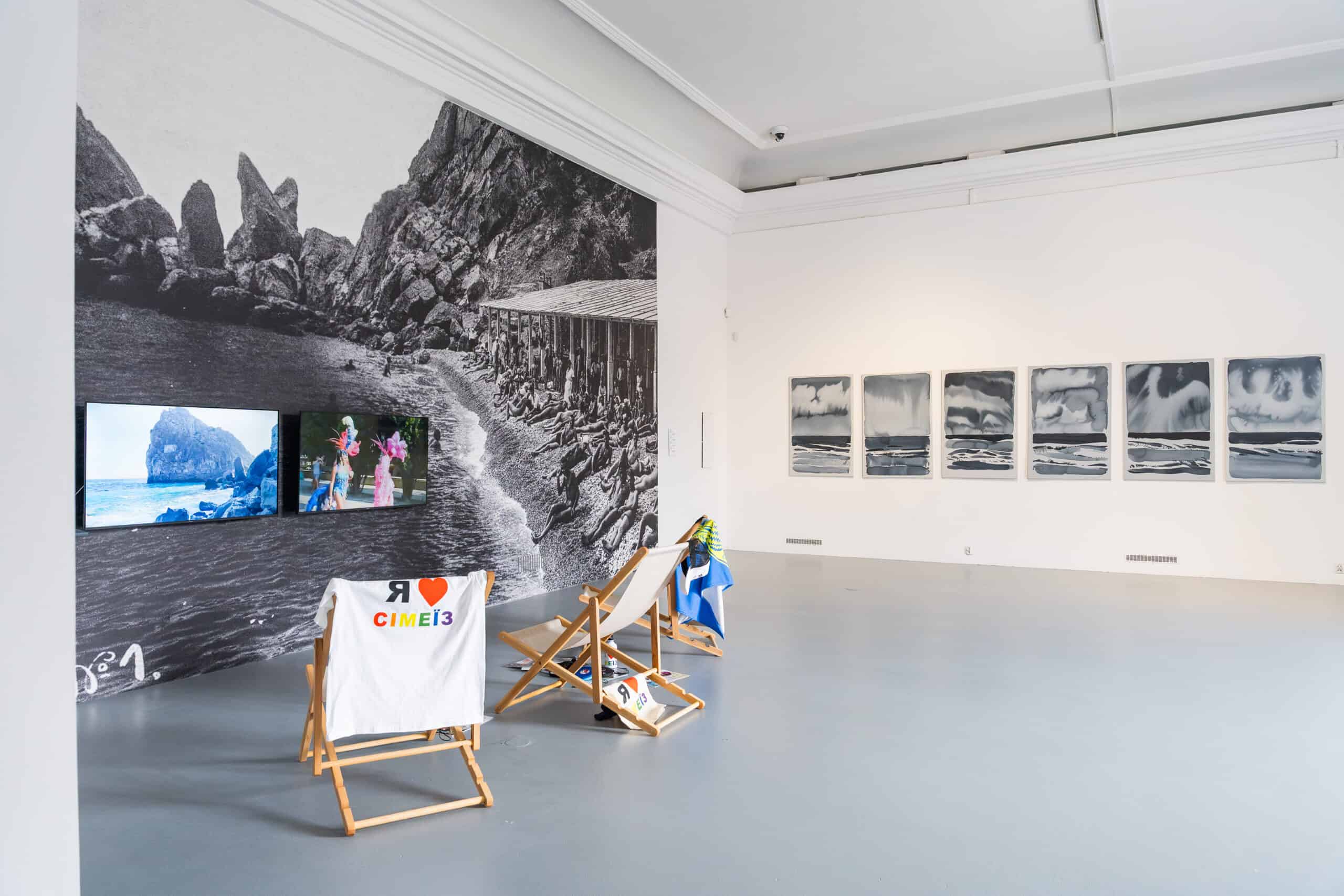
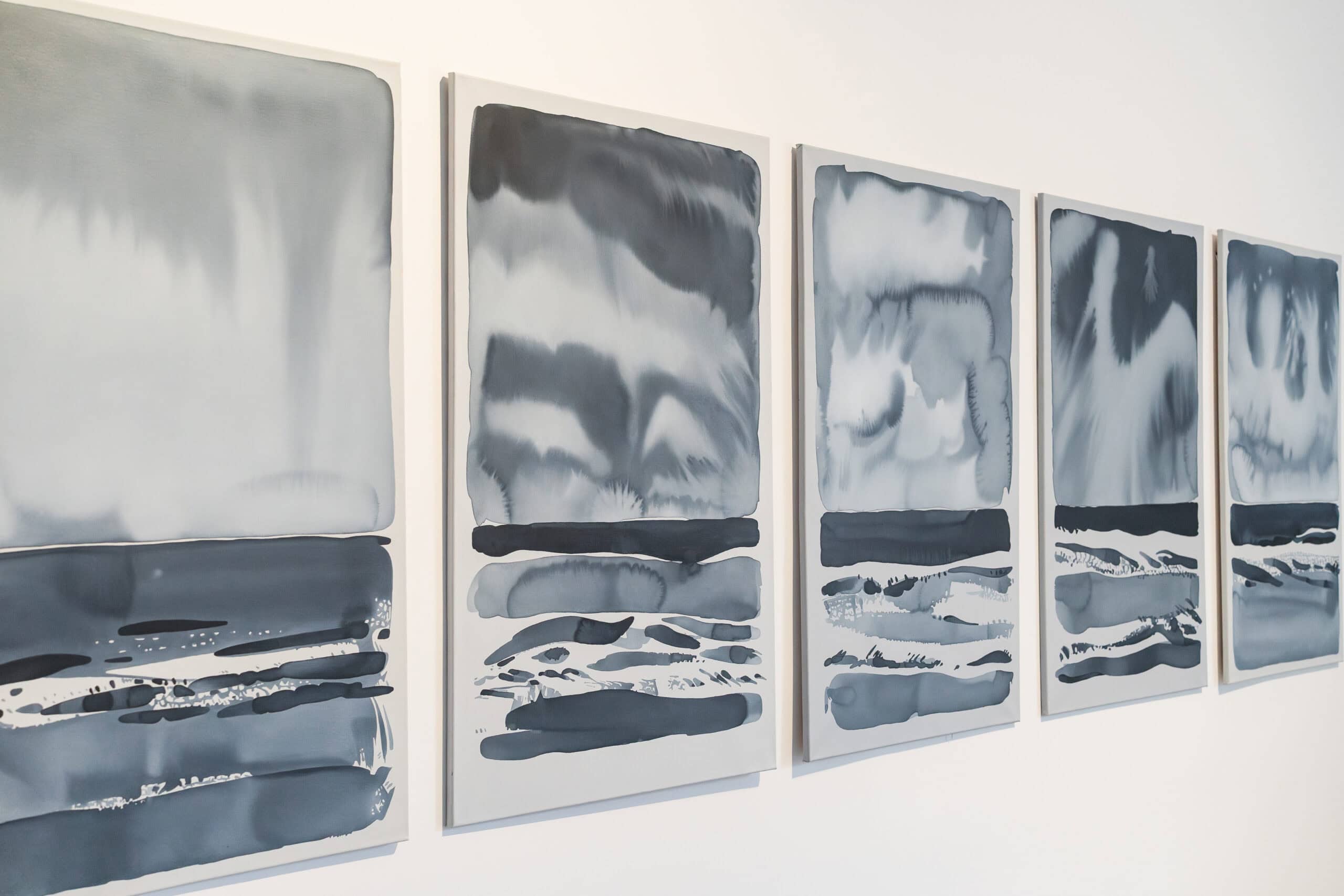
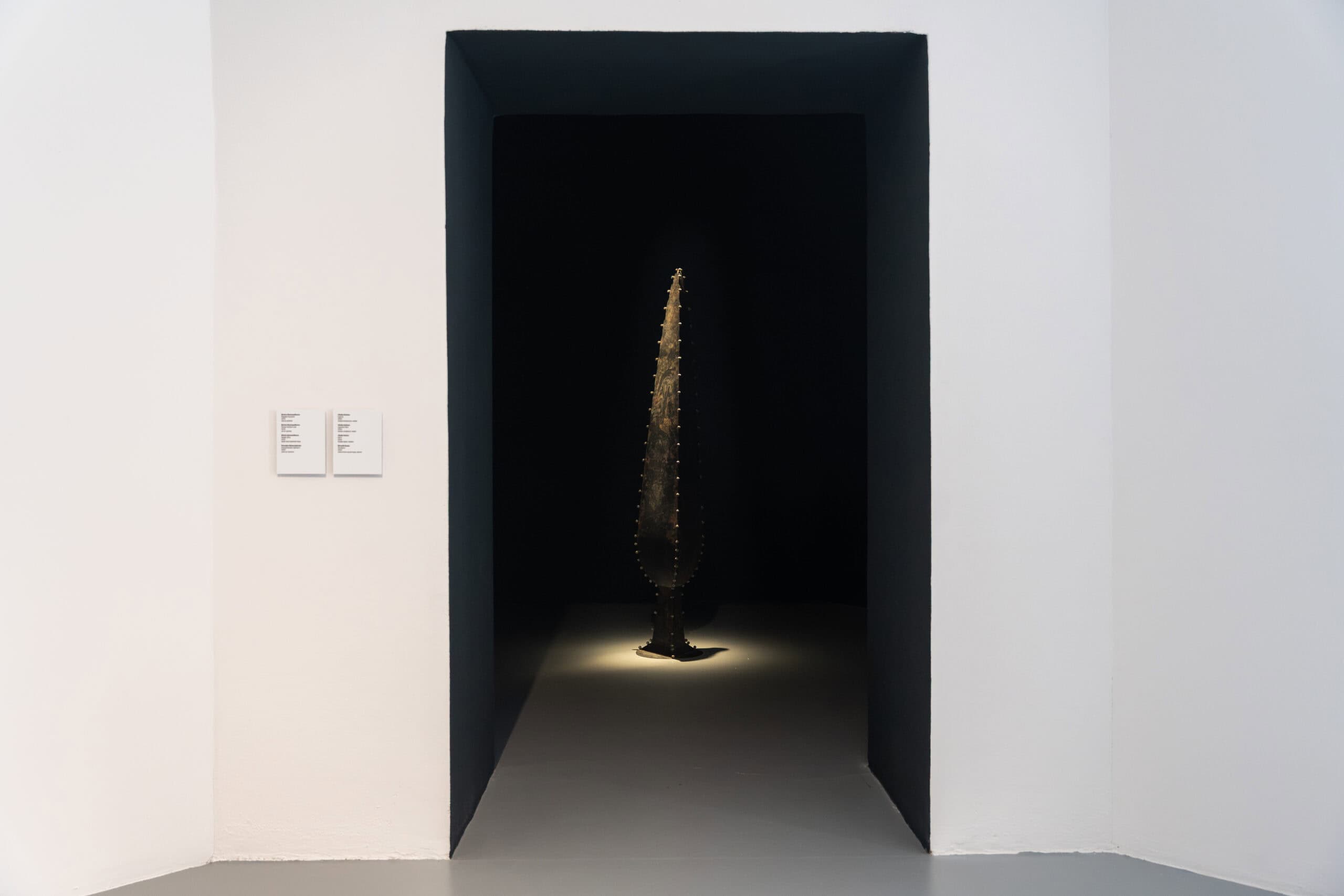
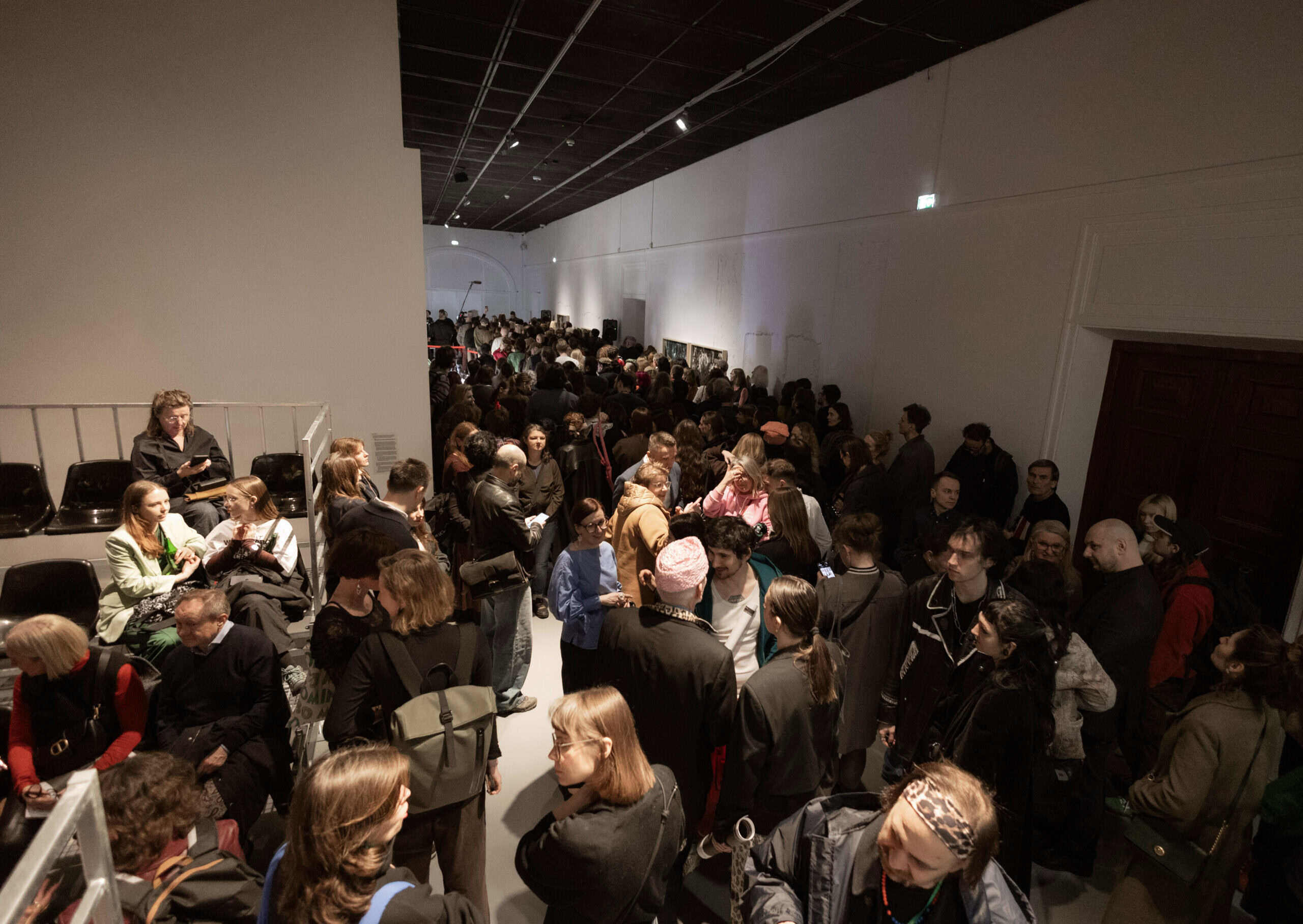
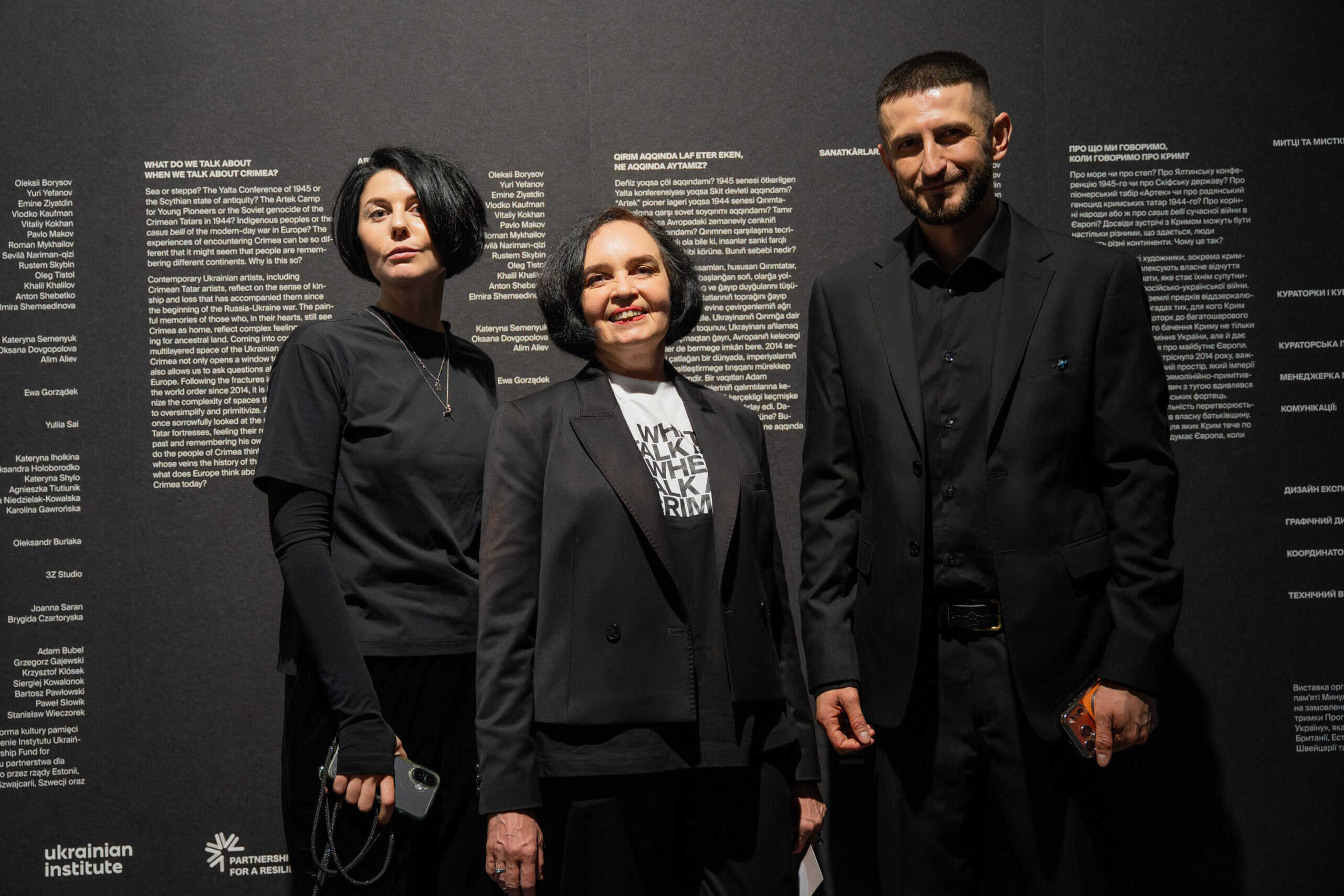
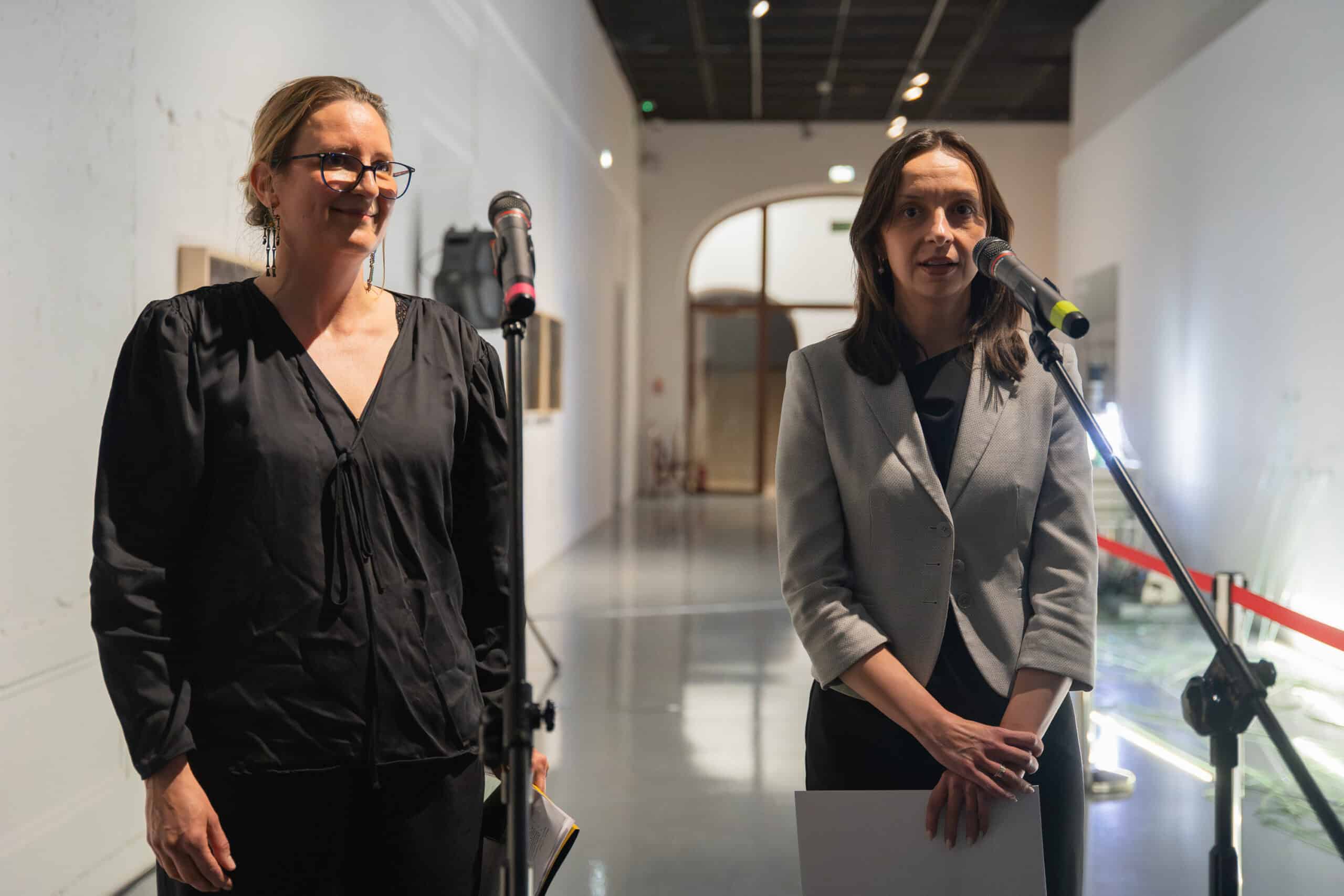
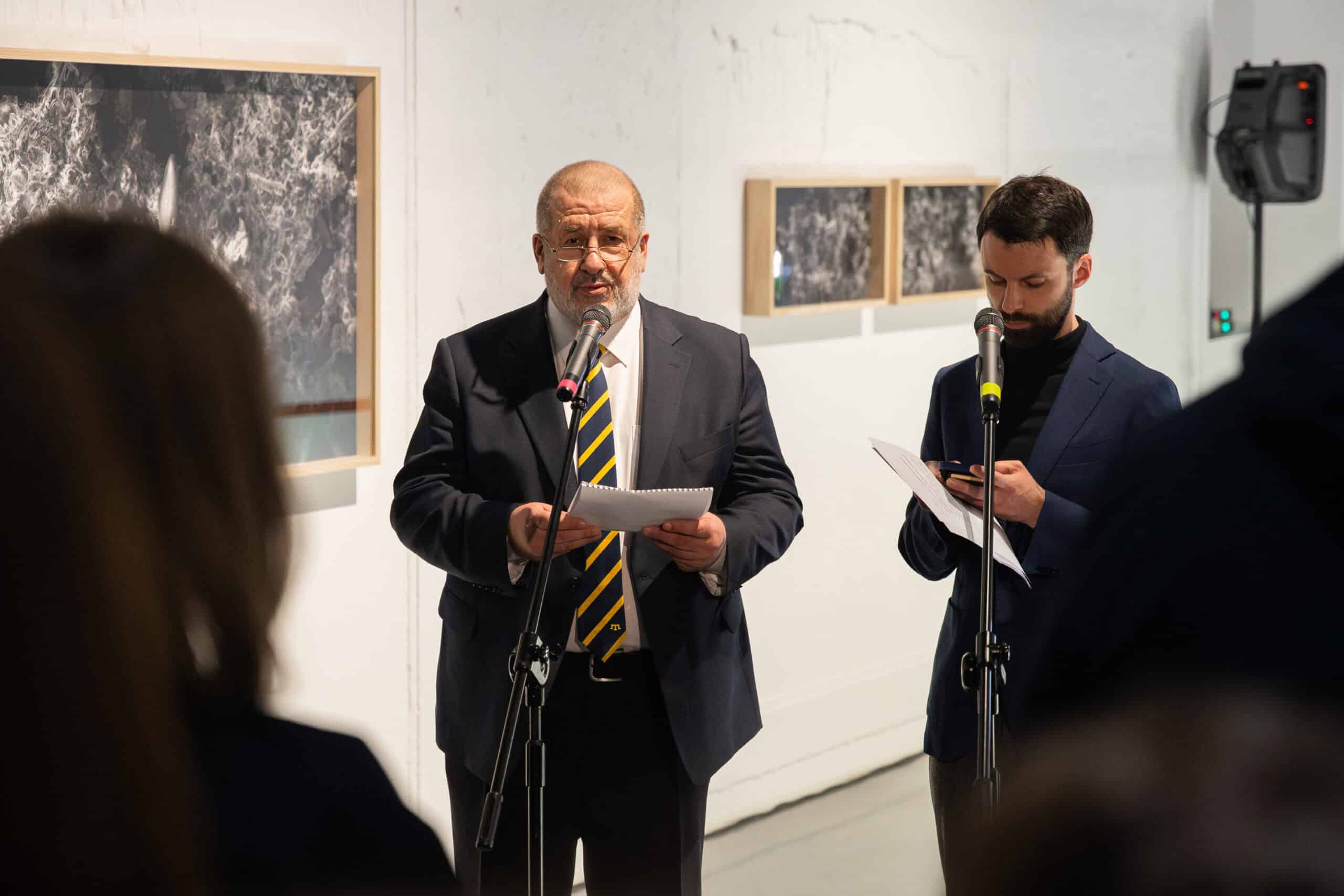
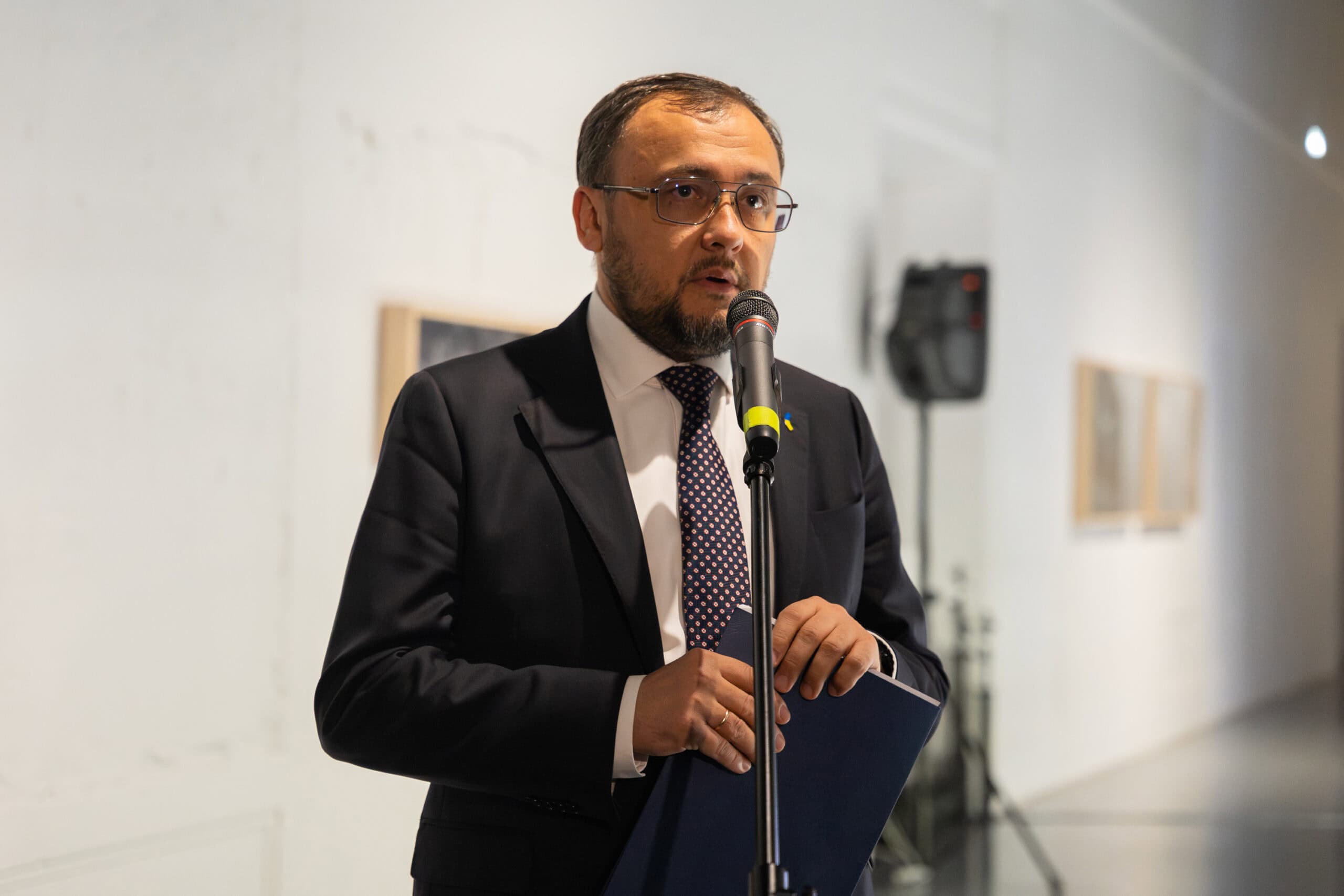
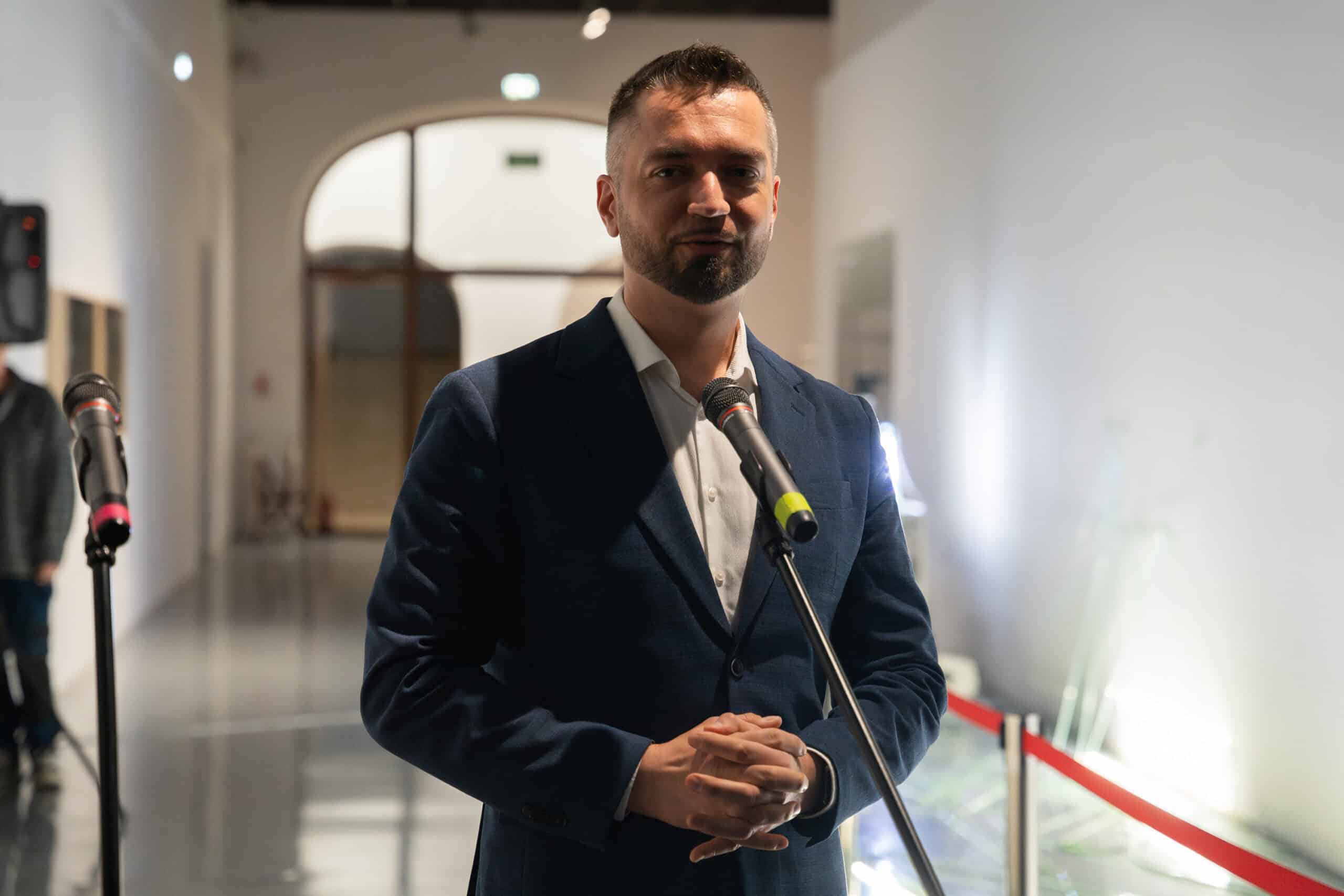
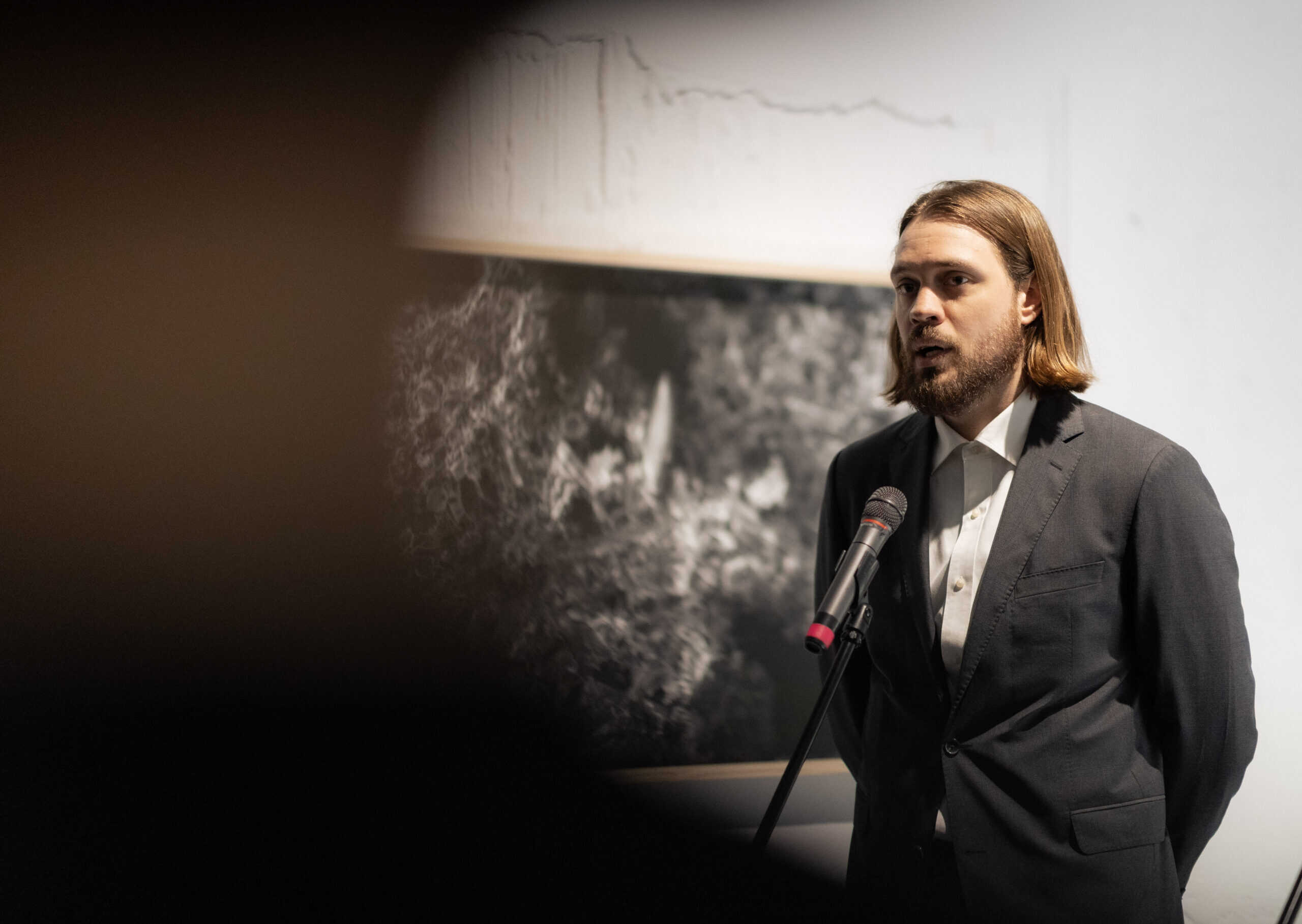
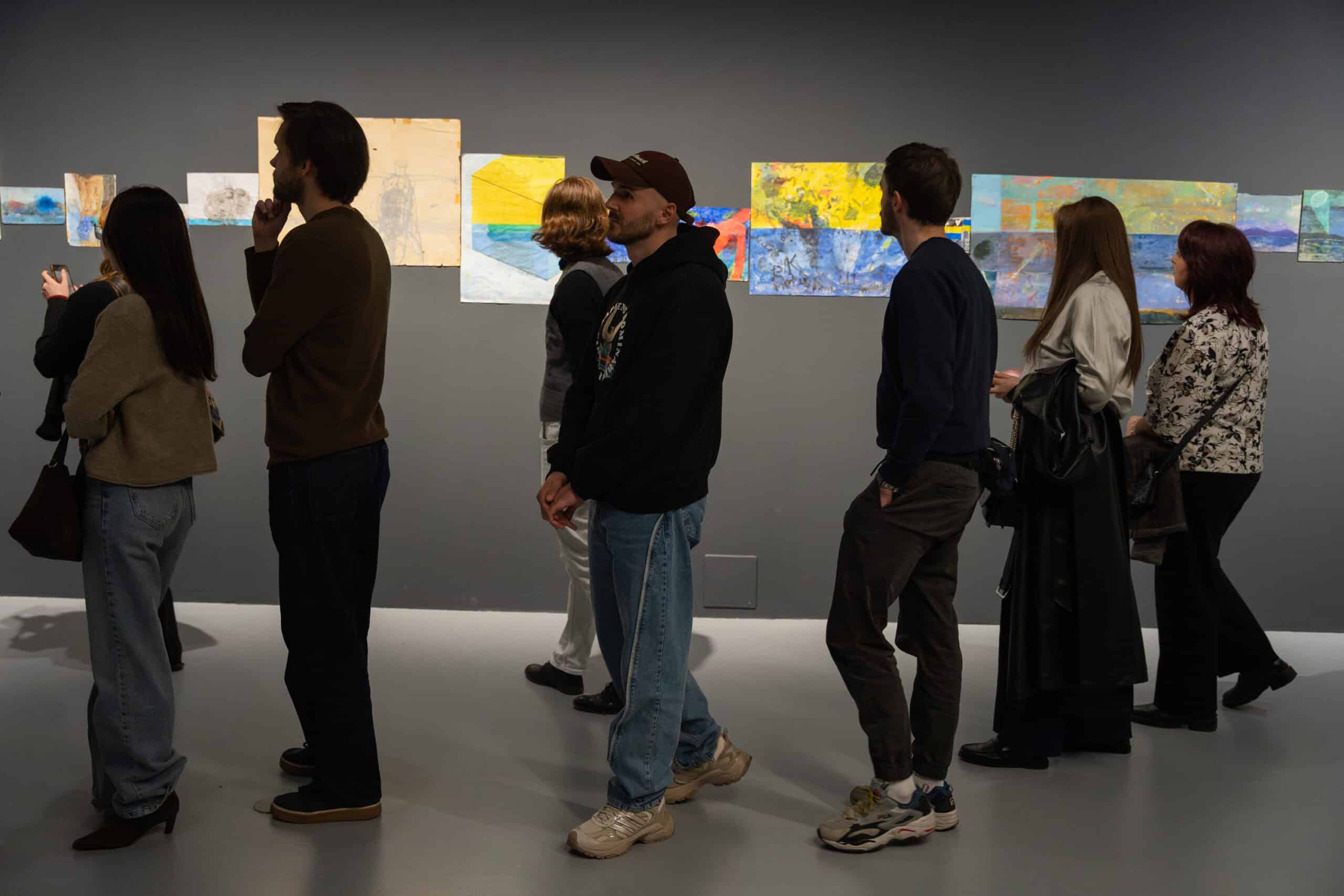
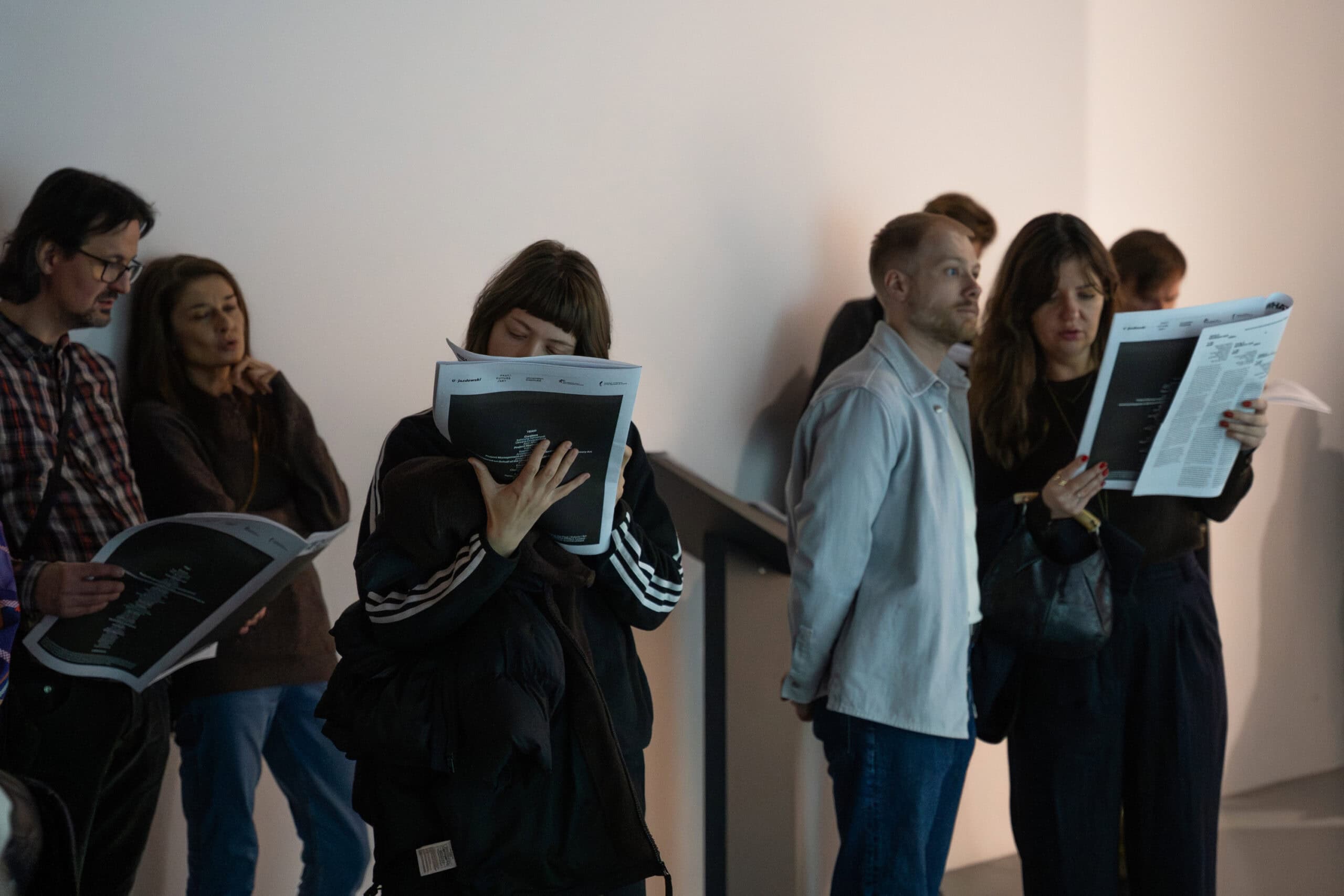
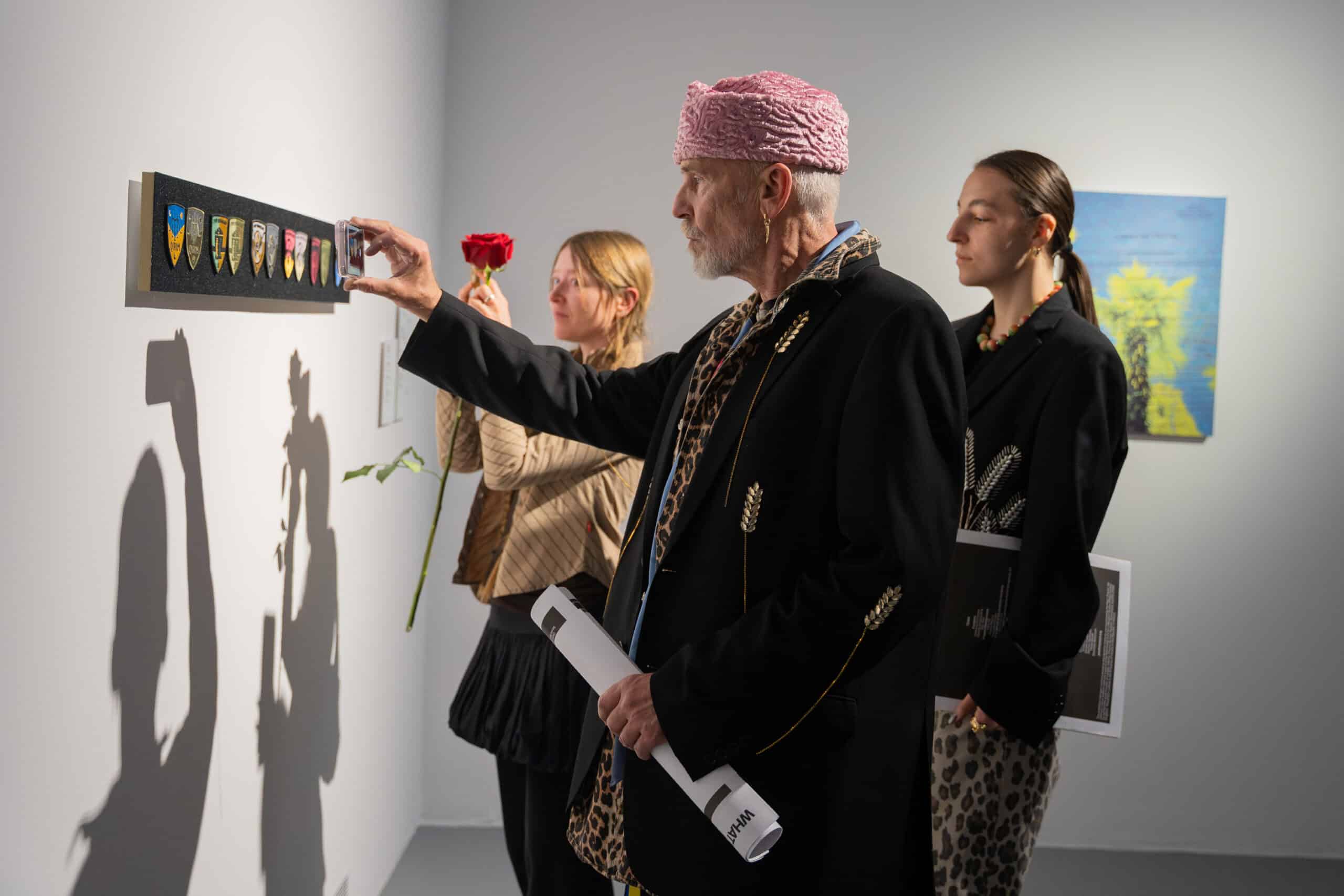
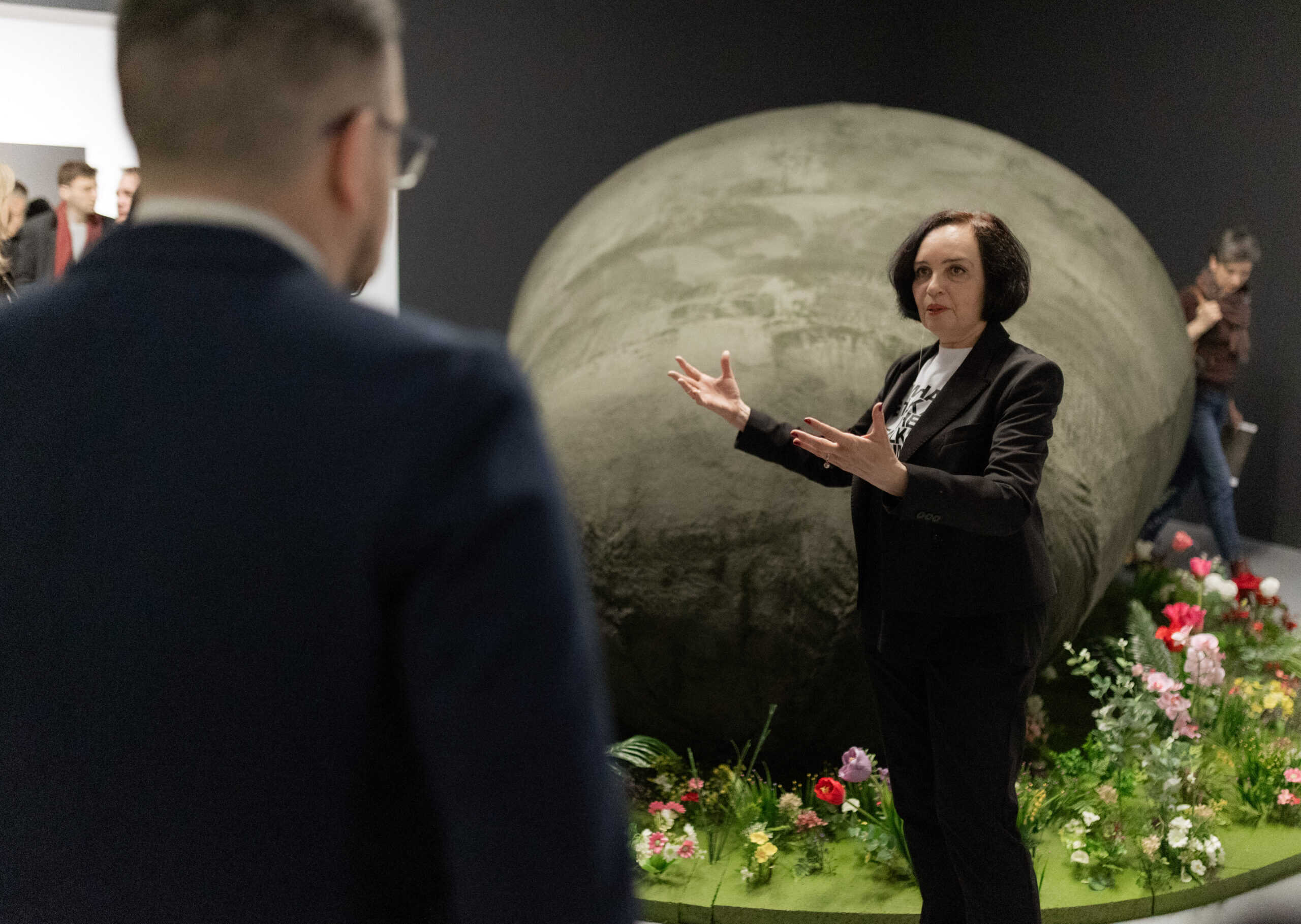
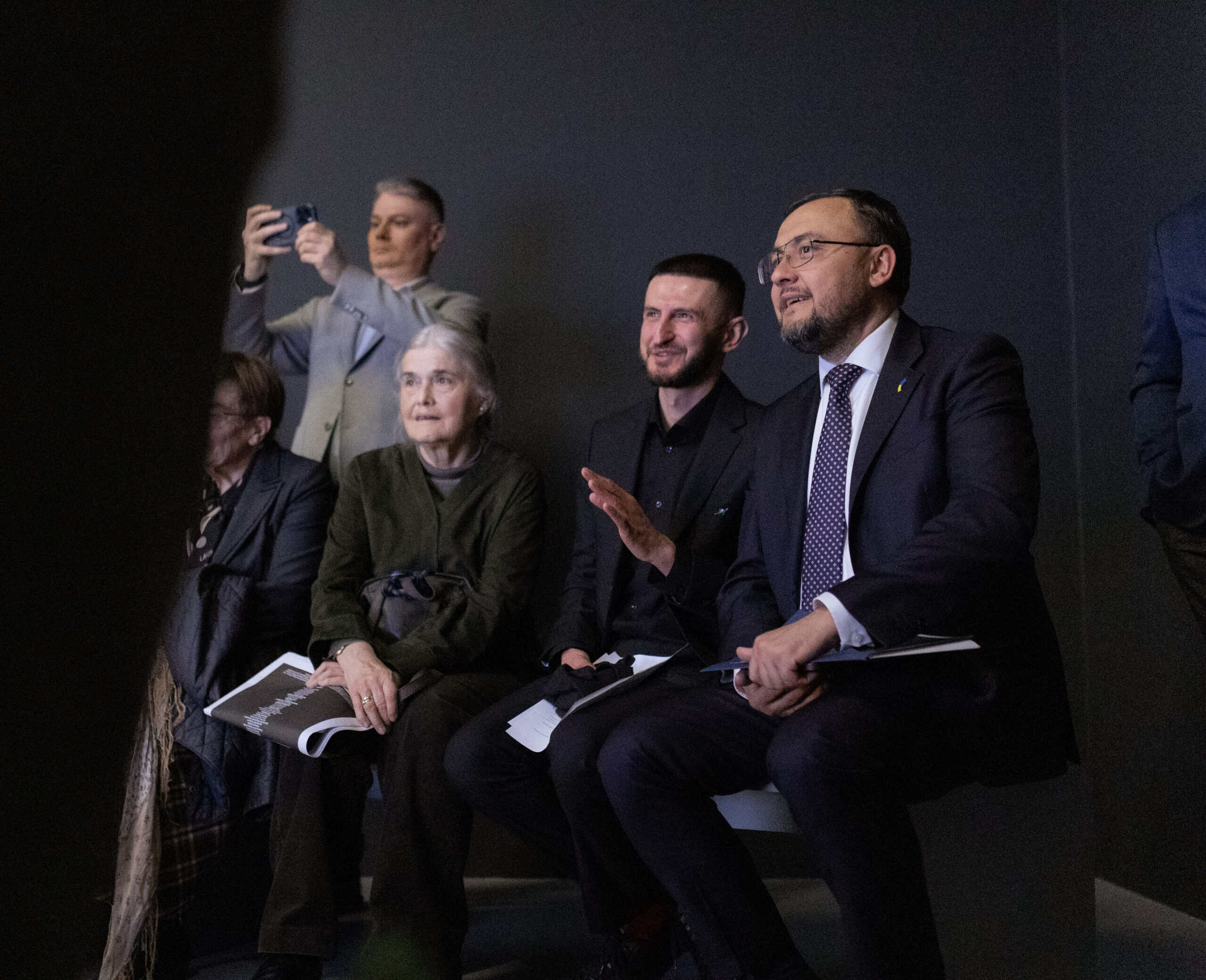
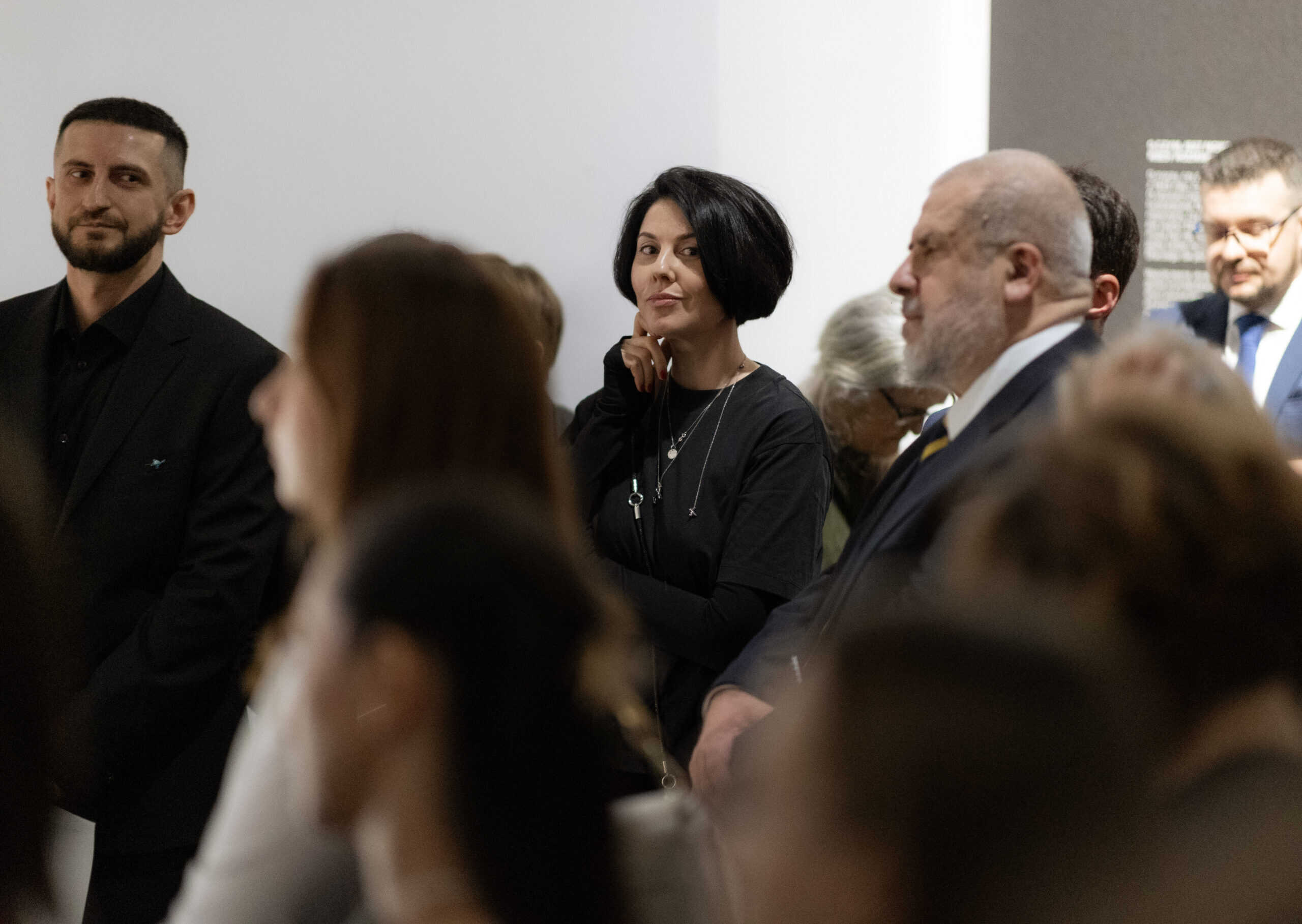
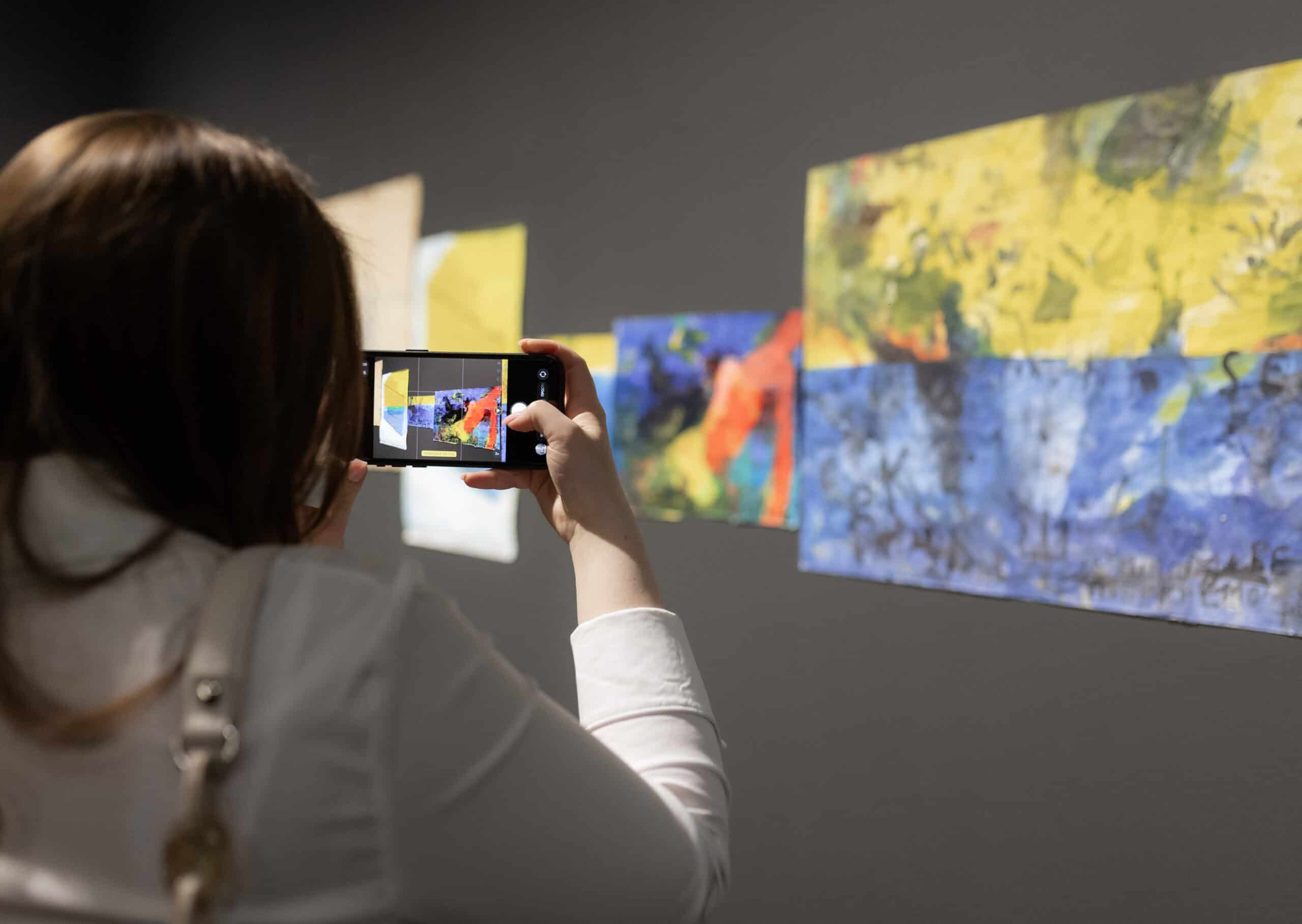
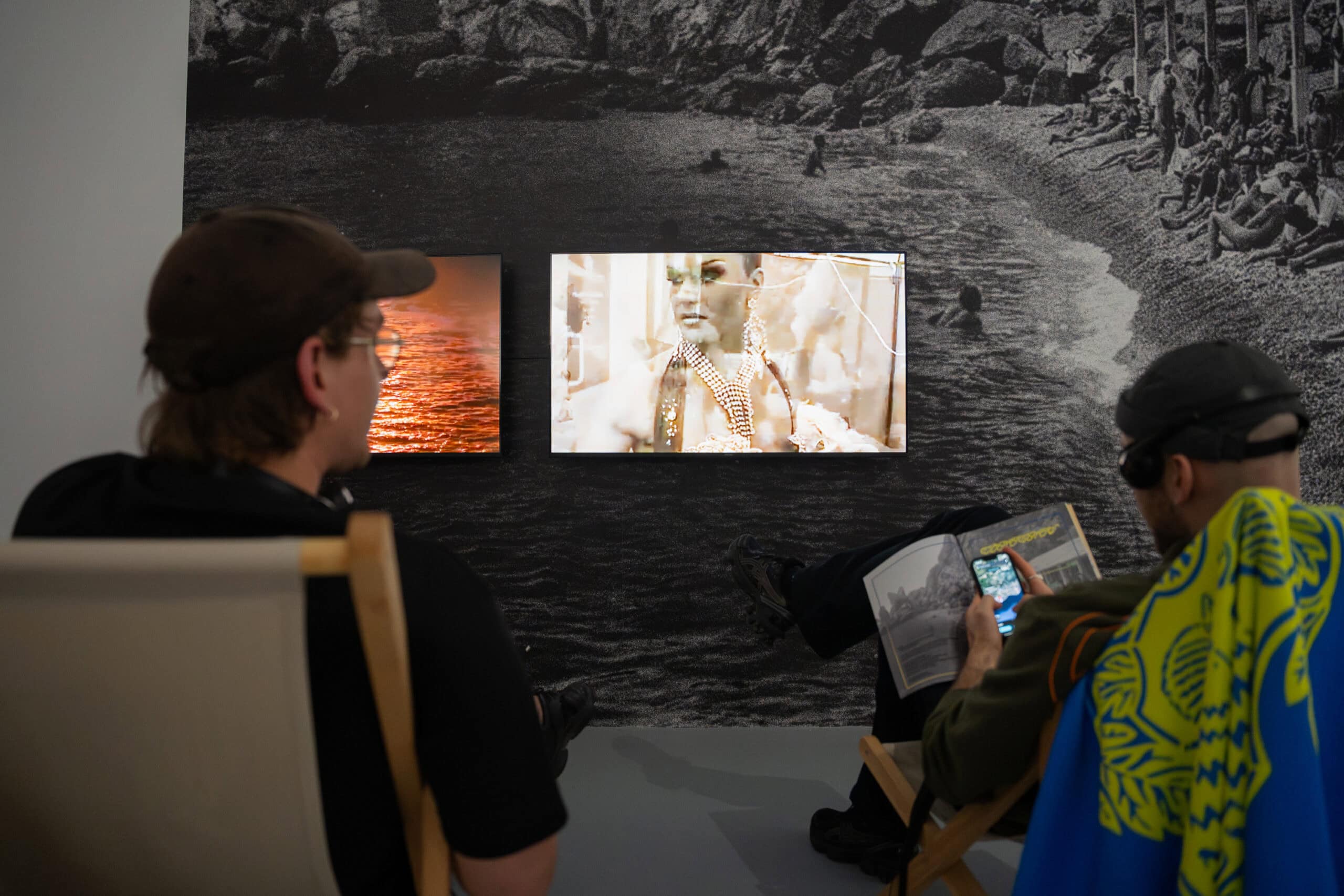
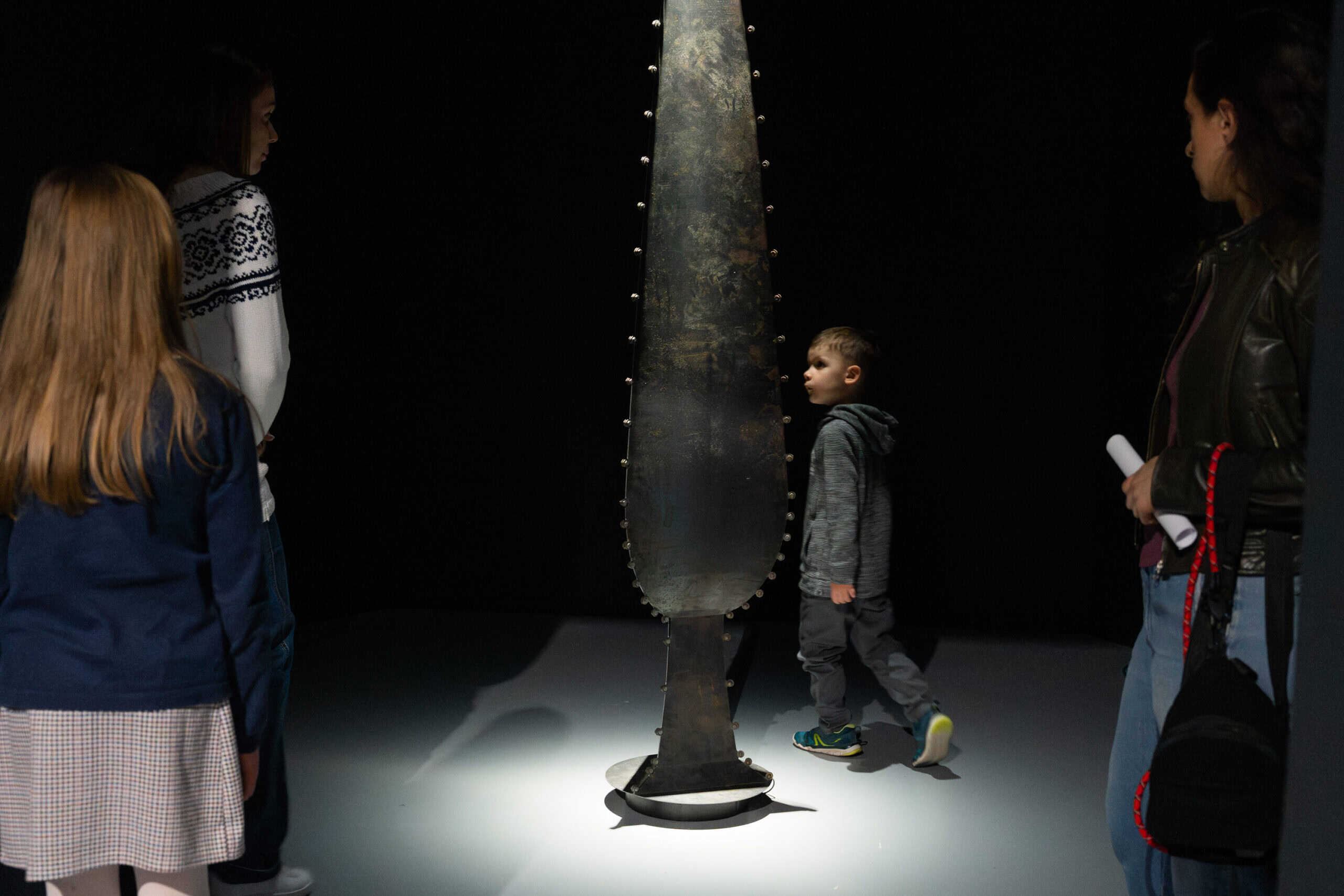
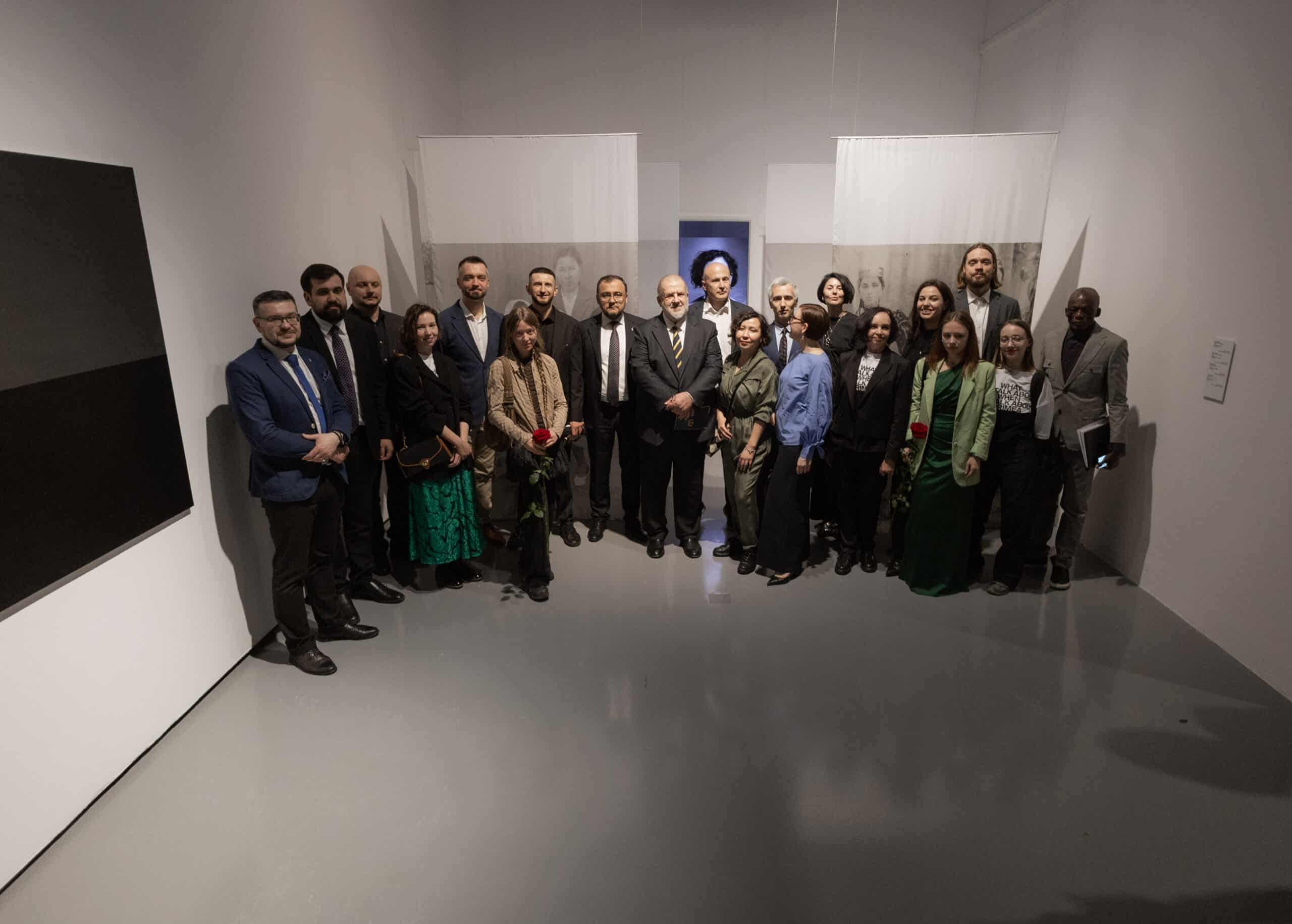
Installation views and opening of the exhibition “What We Talk About When We Talk About Crimea”
Photos by Dominika Jaruga, PFRU
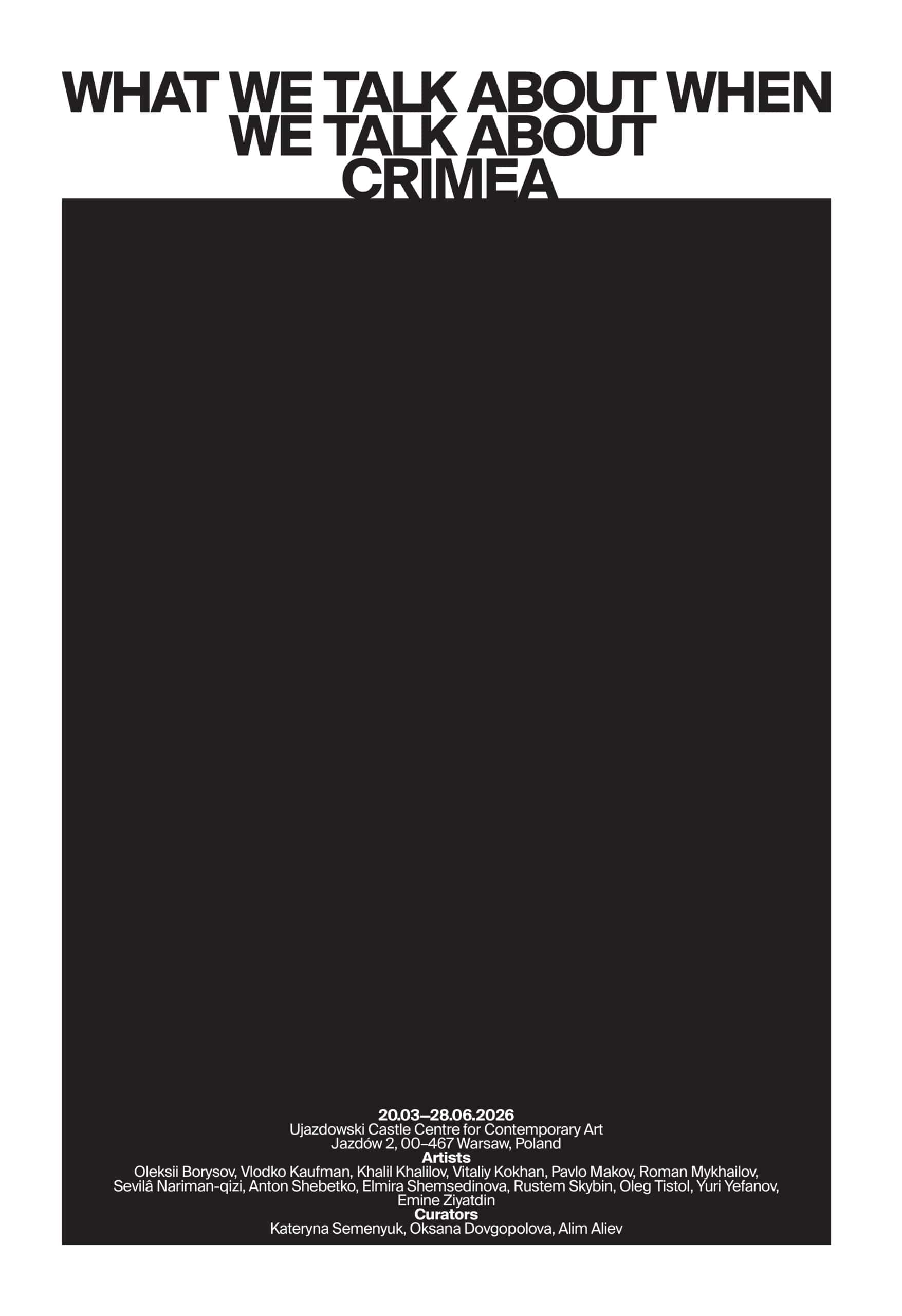
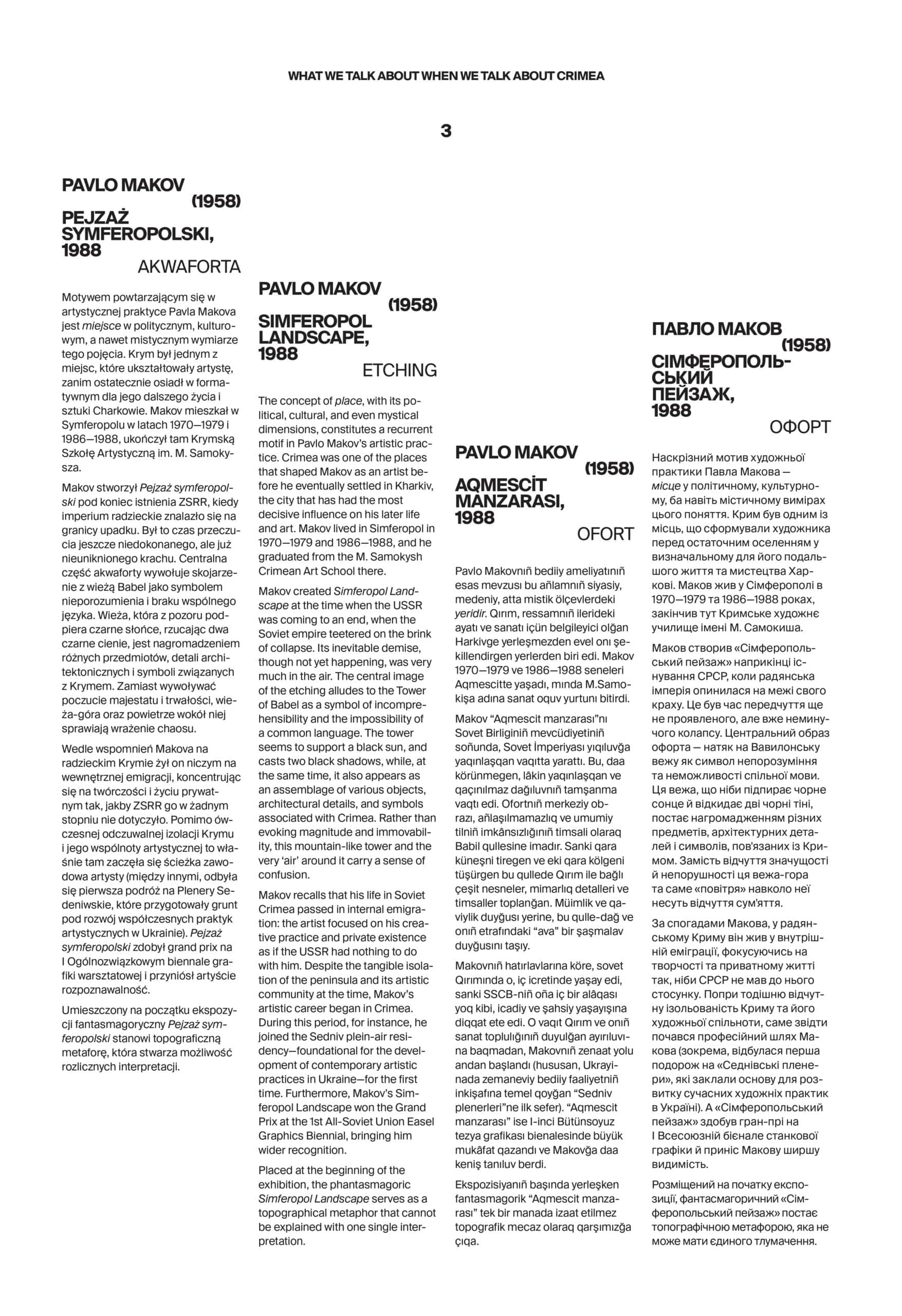
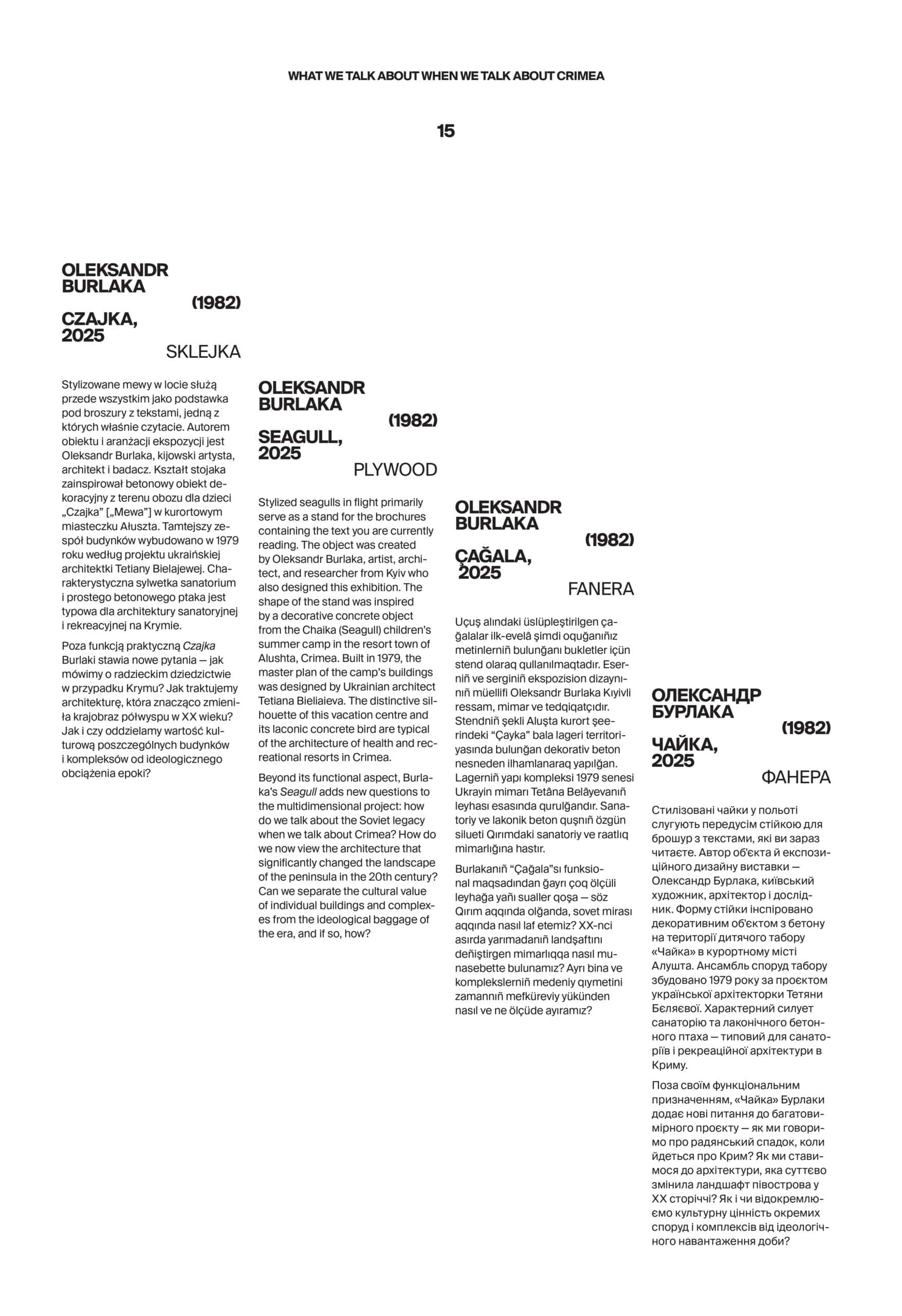
EXHIBITION BROCHURE
Learn more about the artworks featured in the exhibition by exploring the project brochure. The texts are available in four languages: Ukrainian, Polish, English and Crimean Tatar.
If you would like to receive a printed copy, please email us at pastfutart@gmail.com.
MERCH
Created especially for the exhibition in collaboration with ONE-EYED™, this T-shirt invites everyone to bring the Crimean horizon a little closer.
Follow the link to learn more and order your T-shirt.
TEAM
Curators
Kateryna Semenyuk, Oksana Dovgopolova, Alim Aliev
Project Management
Yuliia Sai, Kseniia Paltsun, Anastasiya Paseka
Project Management on Behalf of the Ukrainian Institute
Anastasiia Manuliak
Curatorial Support on Behalf of the Ujazdowski Castle Centre for Contemporary Art
Ewa Gorządek
Communications
Kateryna Iholkina, Oleksandra Holoborodko, Kateryna Shylo, Agnieszka Tiutiunik, Agnieszka Niedzielak-Kowalska, Karolina Gawrońska
Texts for the brochure
Lizaveta German
Translation
Olesia Kamyshnykova, Joanna Majewska-Grabowska, Mamure Chabanova
Copy Editing
Svitlana Horska, Clemens Poole, Olha Tkachenko
Exhibition Design
Oleksandr Burlaka
Graphic Design and Layout
3Z Studio
Coordination
Joanna Saran, Brygida Czartoryska
Technical Department
Adam Bubel, Grzegorz Gajewski, Krzysztof Klósek, Siergiej Kowalonok, Bartosz Pawłowski, Paweł Słowik, Stanisław Wieczorek
Equipment and Documentation Provider
2Frames Production
ORGANISERS
Past / Future / Art is a memory culture platform established by the Cultural Practices NGO in Odesa, Ukraine, in 2019. It focuses on memorial, research, and art projects and develops strategies for commemorating significant phenomena of Ukrainian history, initiating public discussions to engage broader audiences in working through the past. Starting February 24, 2022, when Russia’s full-scale invasion began, the project shifted focus to memorialisation of the ongoing Russia-Ukraine war.
The Ukrainian Institute is a state institution for cultural diplomacy, established to improve the understanding and perception of Ukraine and Ukrainians around the world. The Institute is affiliated with the Ministry of Foreign Affairs. Its activities aim to strengthen Ukraine’s international subjectivity through cultural diplomacy, establish international cultural ties between people and institutions, and shape a positive international image of Ukraine.
The Ujazdowski Castle Centre for Contemporary Art develops, presents, and promotes art in all its forms. It is a place of bold reflection on cultural and artistic practices, as well as on the state of society—in the face of challenges, opportunities, and crises.
PARTNERS
Embassy of Ukraine in the Republic of Poland
SUPPORT
The exhibition What We Talk About When We Talk About Crimea is supported by the multi-donor program Partnership Fund for a Resilient Ukraine, funded by aid from the governments of Canada, Estonia, Finland, Norway, Sweden, Switzerland, and the United Kingdom. PFRU’s objective is to strengthen Ukraine’s resilience in the face of Russian aggression by delivering essential support to local communities in collaboration with the Ukrainian government, civil society, and the private sector.
What We Talk About When We Talk About Crimea
Dates
20.03–28.06.2026
Address
Centrum Sztuki Współczesnej Zamek Ujazdowski
Jazdów 2, 00–467 Warszawa
Exhibition hours
Tuesday–Sunday
11:00–19:00
Thursday
11:00–20:00
The exhibitions are closed on Mondays
Admission is free on Thursdays